
A robust arrival is not one app. It is a stack with independent layers.
If a foreign card fails inside a wallet, adding another ride-hailing app does not fix the funding problem. If the phone has no data, a QR ticket is not a fallback. If the last train has left, a perfect metro route is no longer a route.
The goal is not to predict every failure. It is to keep one failure from disabling every layer at once.
Carry five independent capabilities
| Capability | Preferred form | Independent fallback |
|---|---|---|
| Identity | Passport and required entry documents | Secure paper and offline copies where lawful |
| Destination | Saved map pin | Full address in Chinese and English on paper or screenshot |
| Connectivity | Working mobile data | Airport Wi-Fi and staffed information point |
| Payment | Prepared mobile wallet or accepted card | A second funding method and a modest amount of local cash |
| Movement | Checked rail or bus route | Official taxi rank or staffed ticket counter |
“Independent” matters. Two wallets linked to the same rejected card are one payment layer, not two.
Before paying, identify what is actually failing
Use this order:
- Power: Is the phone on and sufficiently charged?
- Network: Does the app have data access?
- Account: Is the wallet or transport app logged in and verified?
- Funding: Is the linked card accepted for this transaction?
- Merchant or gate: Does this specific terminal accept the method being presented?
Retrying at random can trigger fraud controls or create duplicate authorisations. Change one layer at a time.
Mainland gateways share a national base, not identical terminals
China’s official guide for overseas visitors describes mobile payment, bank cards, cash and transport-ticket options. It is a national starting point, not a promise that every gate or vendor accepts every foreign card.
Beijing, Shanghai, Guangzhou, Shenyang and Wuhan all require terminal-specific decisions. Staffed counters and official taxi ranks remain important because they can resolve a route without depending on the same app that has already failed.
Hong Kong must stay separate. It uses Hong Kong dollars, Octopus and its own transport operators and taxi system. A mainland wallet setup may be useful in some situations but is not the operating assumption for the Hong Kong section.
City-by-city recovery anchors
Beijing
At PEK and PKX, first confirm which airport you are in. Beijing’s visitor material describes service counters that assist with airport express and bus tickets. If a machine rejects payment or identification, move to the staffed path instead of repeatedly changing cards.
For a taxi or ride-hailing fallback, follow the airport’s designated pickup signs. The pickup level may not be the arrivals curb.
Shanghai
Pudong and Hongqiao airport service centres are designed to assist international arrivals with transport, connectivity and payment setup. Use them before leaving the terminal if the phone, SIM or wallet is not ready.
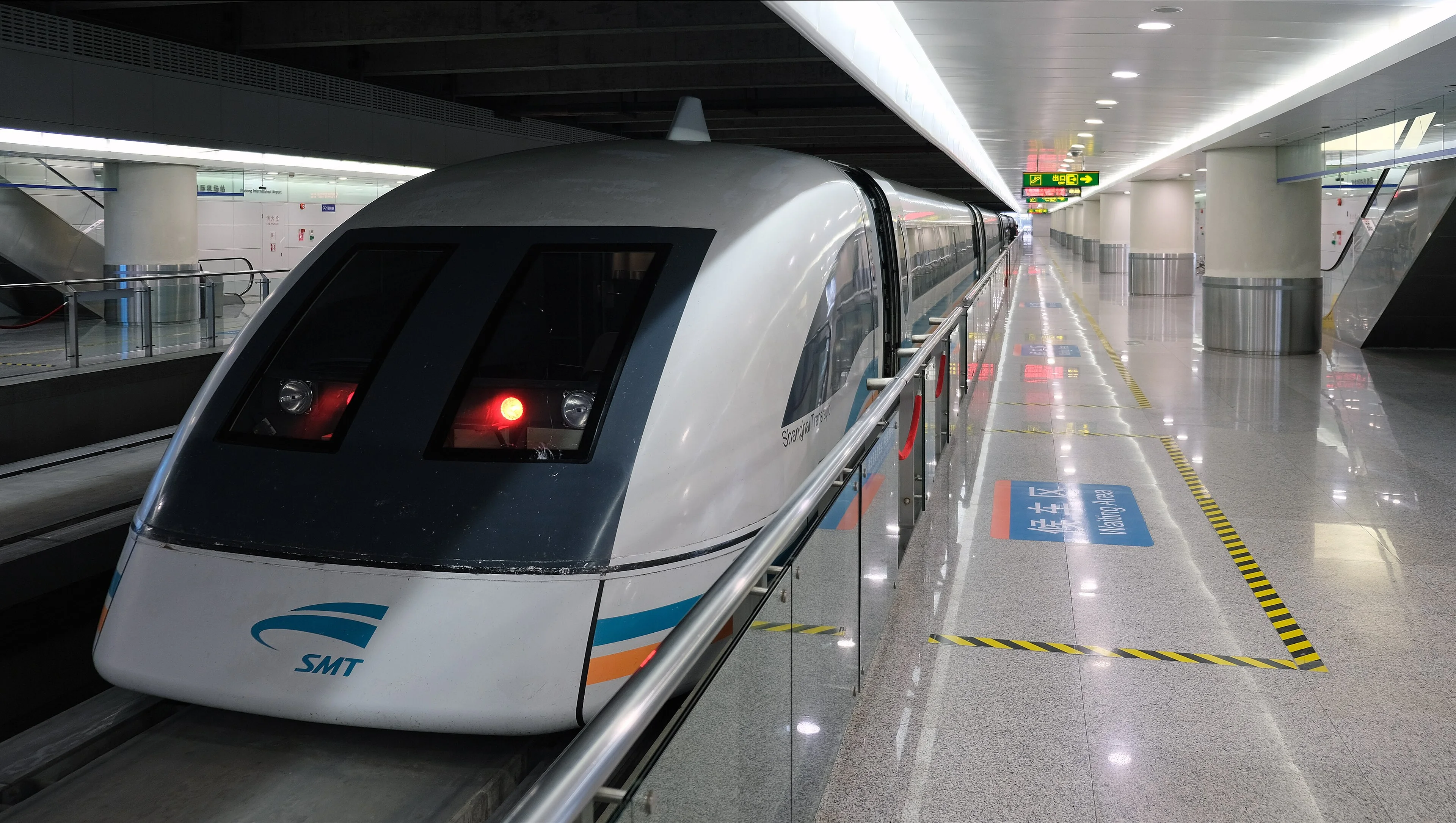
At Pudong, the maglev, Metro Line 2 and Airport Link Line are separate choices. A ticket successfully purchased for one does not solve the onward transfer automatically.
Guangzhou
At Baiyun Airport, terminal number now determines the route. Official T3 guidance names a metro shuttle, intercity rail, buses, taxis and a designated ride-hailing garage. If a saved route points to a pickup zone in another terminal, return to signage or staff.
Keep local cash available for a staffed ticket or bus path, but confirm the current fare at the counter. Do not treat an old online price as a guarantee.
Shenyang
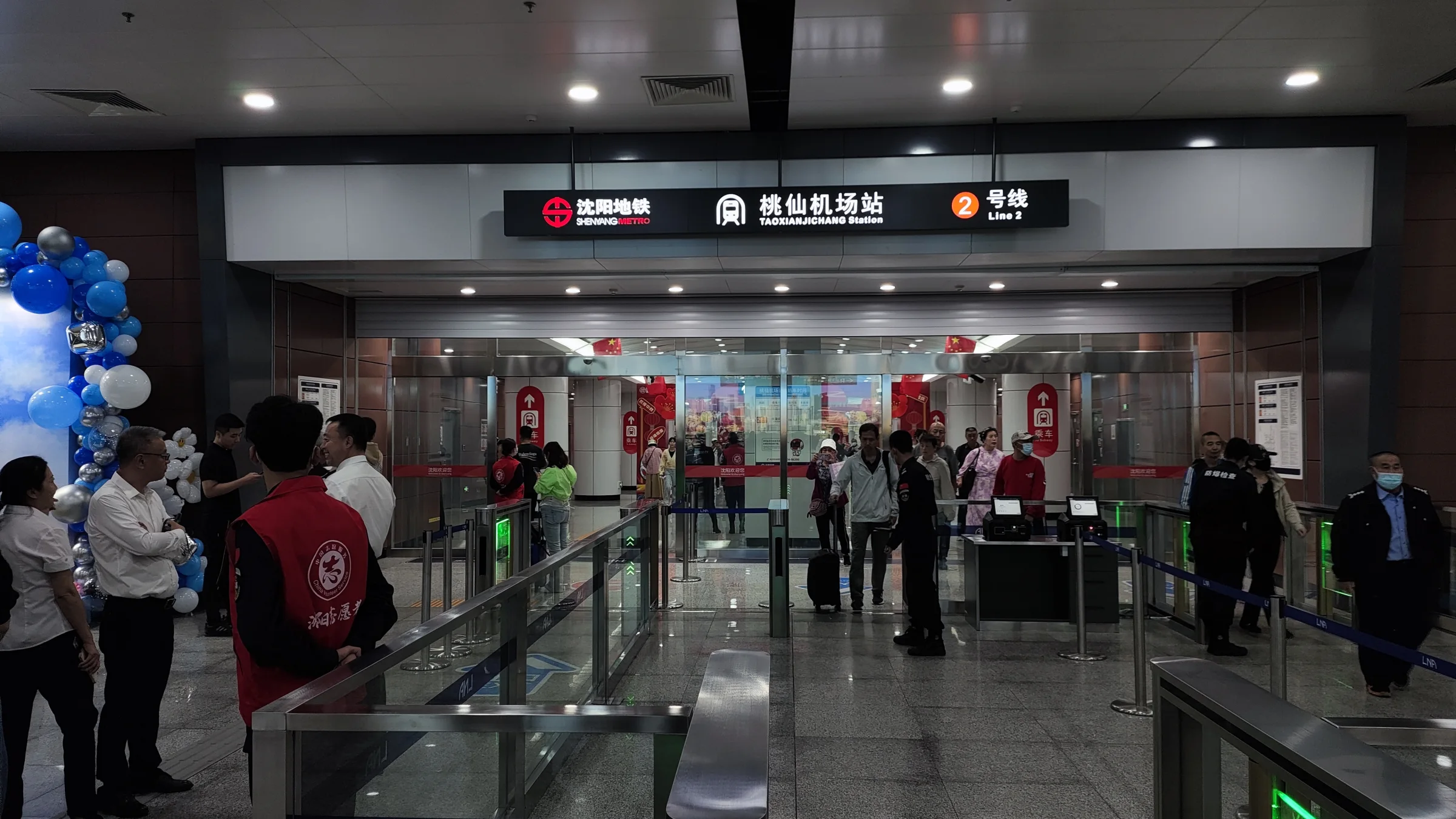
Liaoning’s overseas-visitor payment guide identifies a one-stop service centre at Taoxian Airport, foreign-card acceptance at airport businesses, cash and currency services, and transport-card support. It also lists selected metro stations with overseas-card POS capability.
This is the strongest explicit payment fallback in the six-city official material: use the airport service centre before entering the metro if wallet or card acceptance is uncertain.
Wuhan
Wuhan’s official airport page establishes Metro Line 2, intercity rail, airport bus and taxi as the transport layers. Because its timetable content is older, use it to identify modes and ask terminal staff for the current last departure and ticket method.
If the phone fails, the airport’s integrated-hub structure is useful: stay inside the signed transport area and move to a staffed option rather than arranging an informal pickup.
Hong Kong
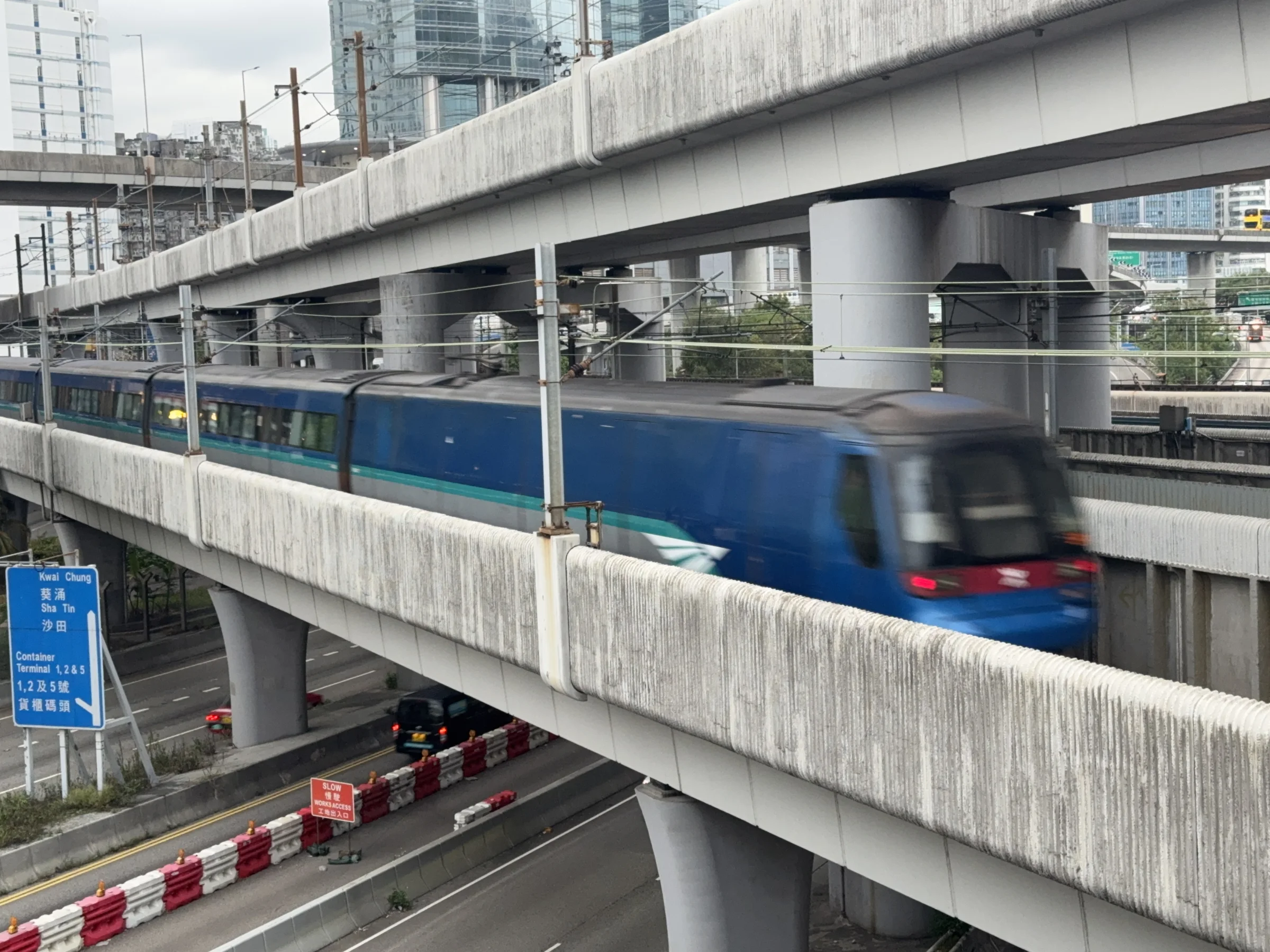
Airport Express and airport buses have different fare and coverage logic. Check the current operator information, then use an official ticket channel, Octopus where applicable, or the staffed station service.
If the preferred rail journey creates a difficult final connection, use an official airport bus or taxi. Keep Hong Kong currency and transport assumptions distinct from the five mainland gateways.
Four common failure scenes
The foreign card is rejected
Do not cycle through the same card in several apps. Try a second, independently issued card or ask for the staffed cash/card ticket path. If the decline appears to come from the issuer, use the issuer’s official support channel.
The phone has no data
Do not leave the terminal hoping the signal will fix itself. Use airport Wi-Fi, a service counter or the saved bilingual address. Buy or activate connectivity only through a channel you can identify and document.
The last train has gone
Stop optimising the rail route. Follow airport signs to the current official bus, taxi or designated ride-hailing option. Ask staff to confirm the pickup level.
The driver cannot find the destination
Show the full Chinese address and phone number for the property. A brand name translated into English may refer to several places. Do not rely on a social-media nickname.
What to keep until the journey is complete
- the boarding pass or airport and terminal record;
- a screenshot of the destination address;
- transport ticket or payment receipt;
- official taxi receipt or ride record;
- hotel or host phone number;
- enough battery to confirm arrival and resolve a dispute.
These are recovery tools, not travel souvenirs.
Sources and scope
- State Council: Guide to Working and Living in China (2025)
- Beijing visitor airport–city transport guide
- Shanghai airport one-stop service centres
- Guangzhou Baiyun Airport T3 transport guide
- Liaoning overseas-visitor payment guide
- Wuhan Tianhe Airport transport — network structure only; current times require a new check.
- Hong Kong Terminal 2 transport arrangements
- MTR Airport Express timetable
Acceptance varies by issuer, terminal, operator and merchant. This page does not guarantee a card, wallet, cash denomination or app will work everywhere. It is reviewed weekly and must be paired with current operator information.
One useful next step
Save the shorter phone and payment failure guide offline. This six-city page tells you where to recover; the shorter guide tells you which layer to test first.





.jpg)

.jpg)
