The easiest way to make a Chinese city look old-fashioned is to photograph culture only when it wears historical costume.
Contemporary culture is harder to package because it often has no permanent building. It happens when a plaza becomes a dance floor, an industrial site hosts a concert, a riverbank carries a large outdoor performance, a food street becomes a social feed, or a small crowd stops traffic for a few minutes around a performer.
These scenes do not prove that every city is endlessly open or that every resident shares the same leisure life. They show something more precise: public culture is being made through the relationship between programming, transport, commercial space and people willing to stay after the practical day is over.
Beijing distributes the programme
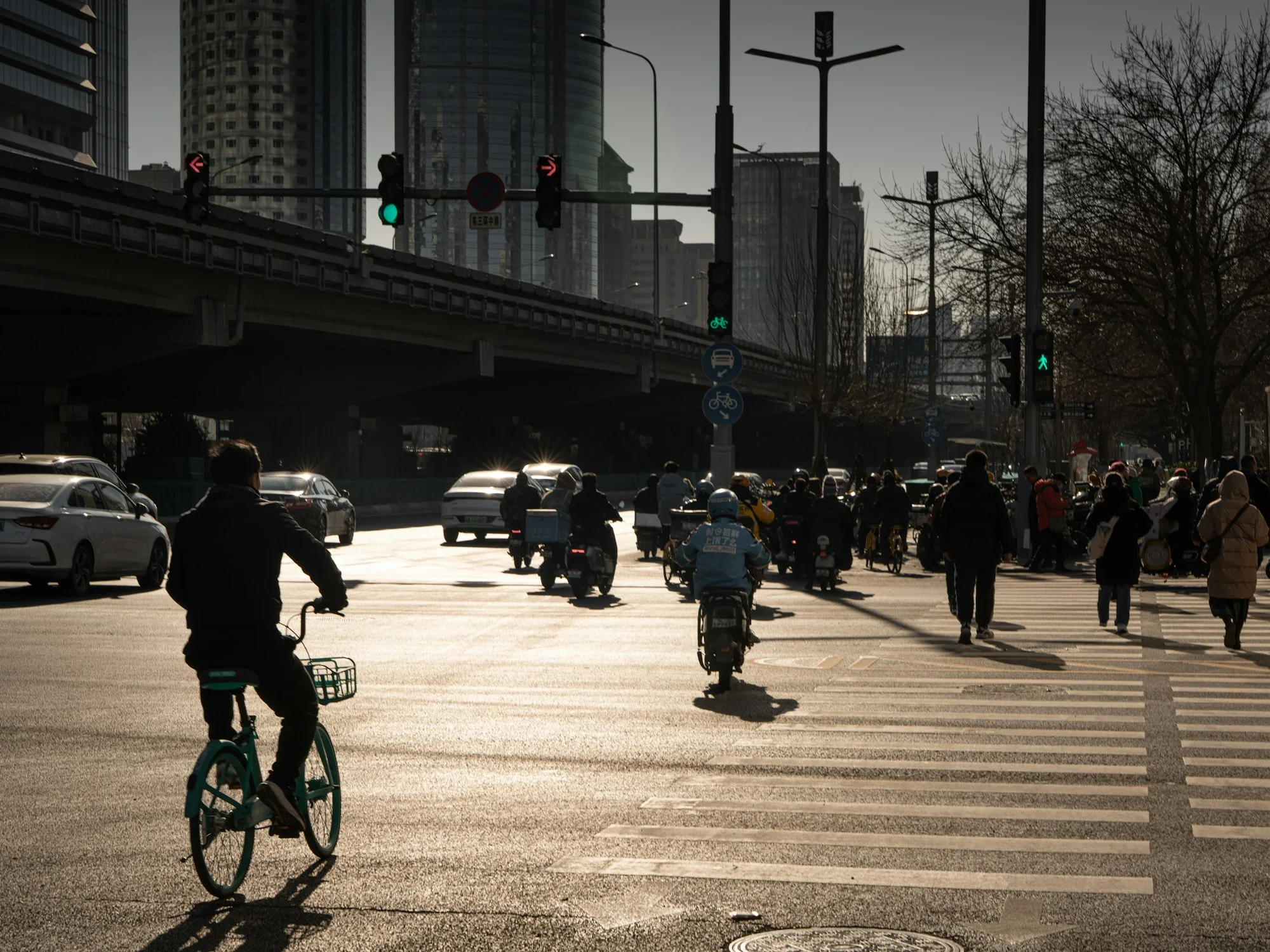
Beijing’s first 2025 Outdoor Music Map listed 20 locations across 11 districts and described more than 300 planned sessions. The important detail is not the promotional number. It is the geography. Music was framed as a network of parks, commercial areas and reused venues rather than one sanctioned nightlife quarter.
That distribution fits the physical city. Beijing is too large to have one after-dark centre for everyone. A performance near home, a cycling route on the Central Axis and a concert in a reused Olympic or industrial site produce different audiences. The capital’s night culture is better understood through access and distance than through a top-ten bar list.
Shanghai treats night as a mixed programme
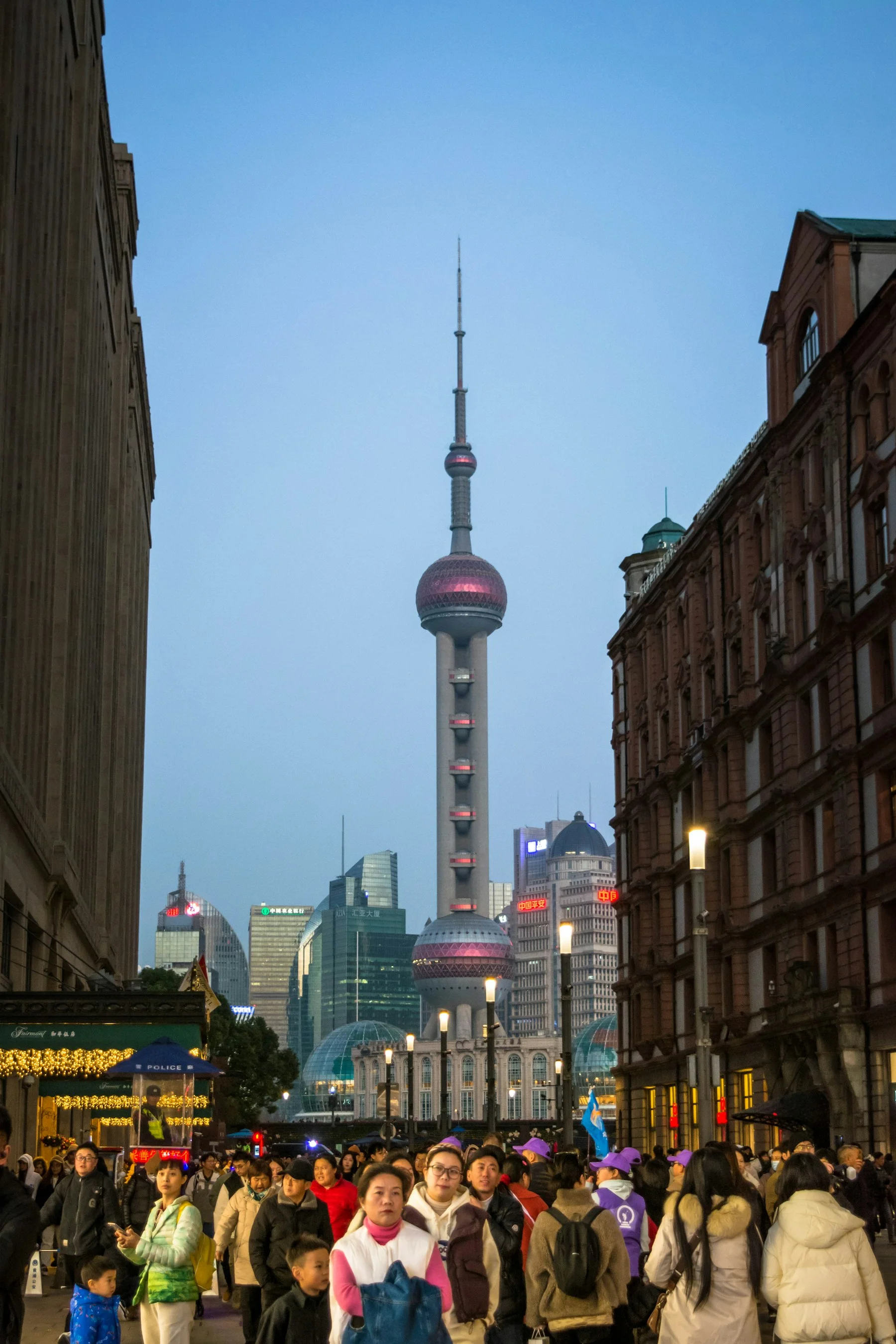
Shanghai’s 2025 night festival advertised 130 themed events involving live music, e-sports, retail, food and inclusive venues. As municipal promotion, the programme is evidence of what organisers intended to offer, not independent proof of attendance or quality.
Its categories still matter. Screen culture, competitive gaming, performance and consumption were presented as one urban evening rather than separate cultural sectors. That mixture is recognisably contemporary: a person may move from a design shop to a public installation, then watch a match or small performance without entering a conventional arts institution.
Guangzhou uses openness as a working practice
Guangzhou’s 2026 Intercultural Day brought consulates, international participants and more than 80 stalls into a Tianhe public setting, according to the city’s official account. The event language is celebratory, but the spatial fact is useful. Cultural difference was not placed behind a conference door; it was staged through food, objects, performance and conversation in a shared urban space.
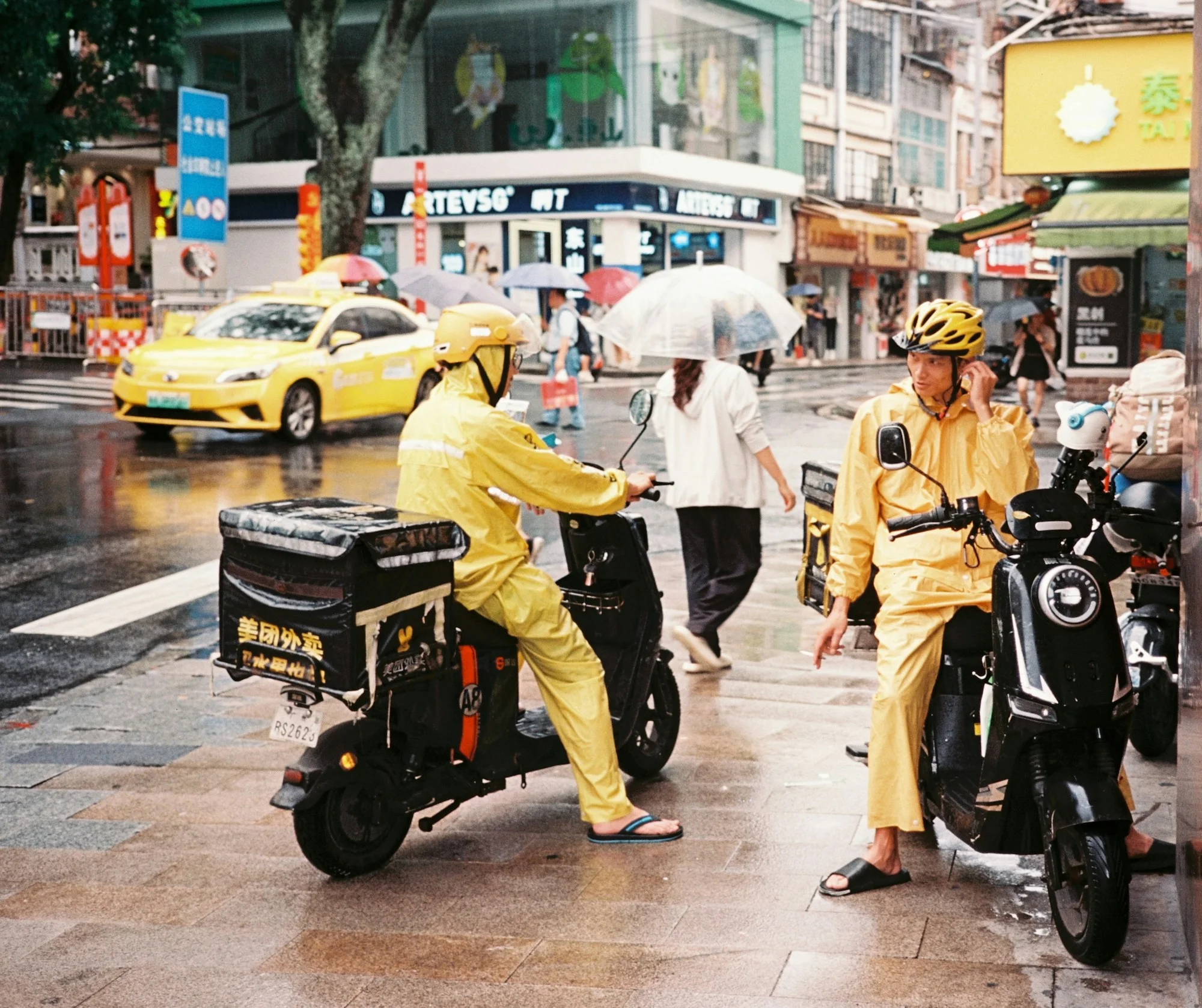
The everyday city around such an event matters as much as the programme. Delivery riders, multilingual commerce, late eating and the wider Pearl River Delta’s movement of people and goods make Guangzhou’s openness practical rather than merely symbolic.
Shenyang needs more than a Northeast stereotype
Shenyang is often represented through winter, heavy industry or the Imperial Palace. The city’s 2025 culture-and-tourism programme instead emphasised new cultural spaces and repeated public programming. Because the source is the responsible municipal bureau, it records policy and planned activity; it should not be mistaken for an independent review of the scene.
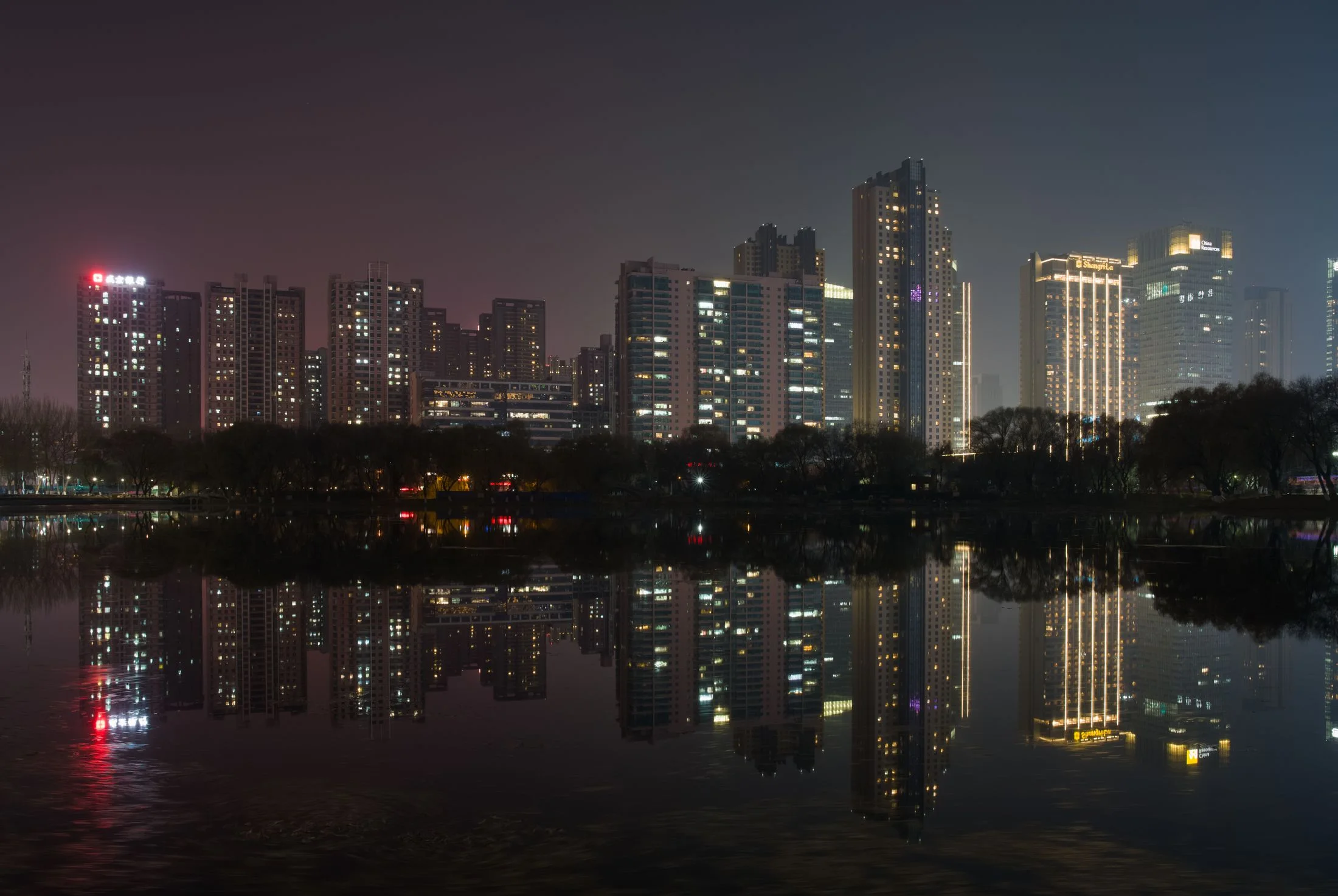
The more revealing image may be quieter: apartment lights reflected across Youth Park, a warm noodle shop after work, or young people moving through Zhongjie. These are not spectacular enough for a national slogan. Together they show a regional metropolis in which cultural life continues through ordinary commercial and public spaces.
Wuhan turns the river and the food street into stages
Wuhan’s 2025 Yangtze River Culture and Art Season opened with a performance designed around the riverbank, water and skyline. The event’s scale makes the Yangtze part of the staging rather than a distant postcard.
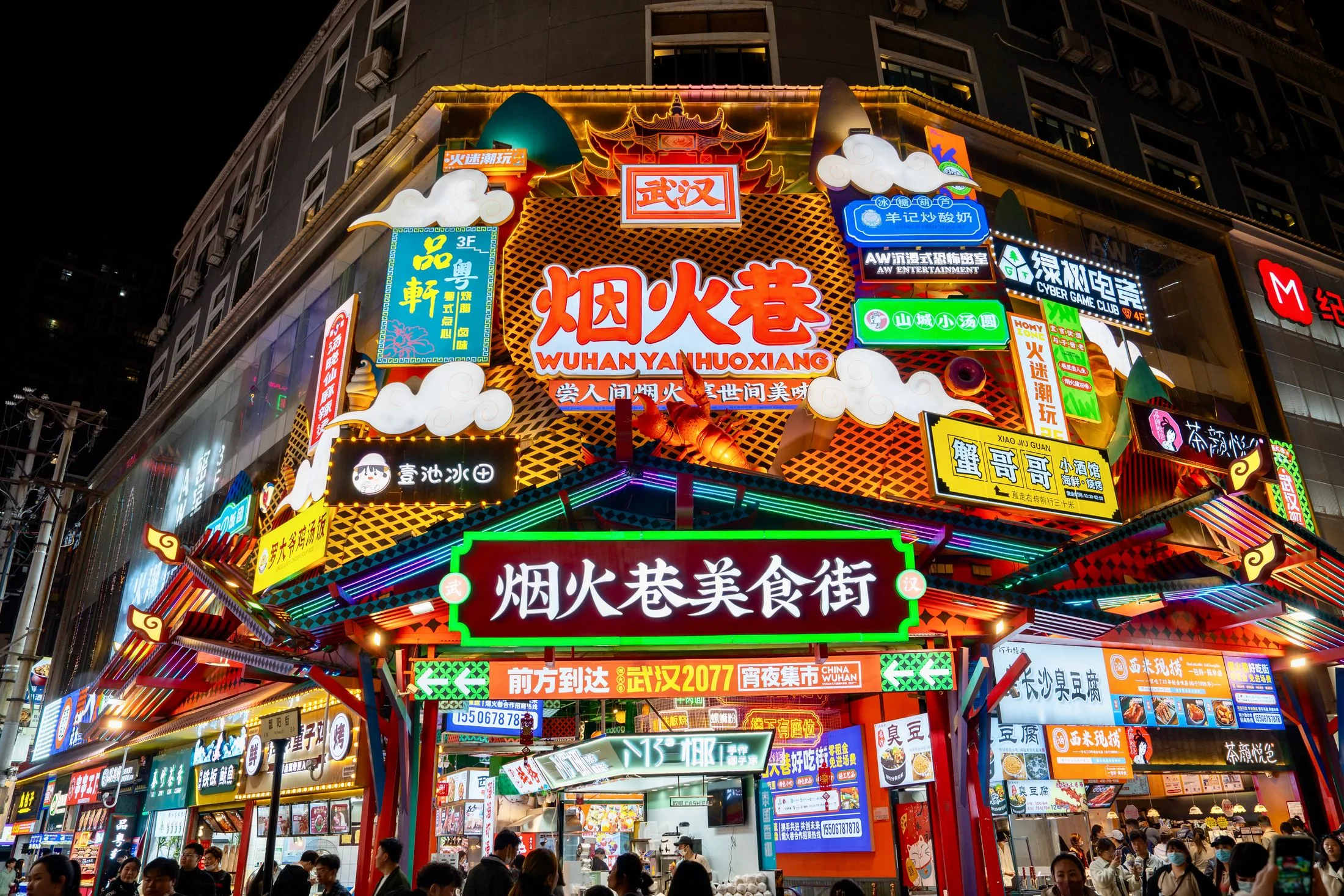
Yanhuoxiang works at the opposite scale. Its dense signs, queues and food counters make a building frontage behave like a night market. One is a formally produced spectacle; the other is a commercial concentration designed to attract attention. Both depend on people arriving, staying, photographing and moving on.
That distinction is important. “Vibrant” is not a free-floating city personality. It is a result of lighting, opening hours, affordability, transport, programming and permission to occupy space.
Hong Kong makes density culturally productive
Hong Kong’s 2025 ImagineLand programme brought more than 35 artists from Hong Kong and eight other countries or regions into an outdoor carnival spanning electronic music, jazz, rap and film. Again, these are organiser figures, not an audience survey.
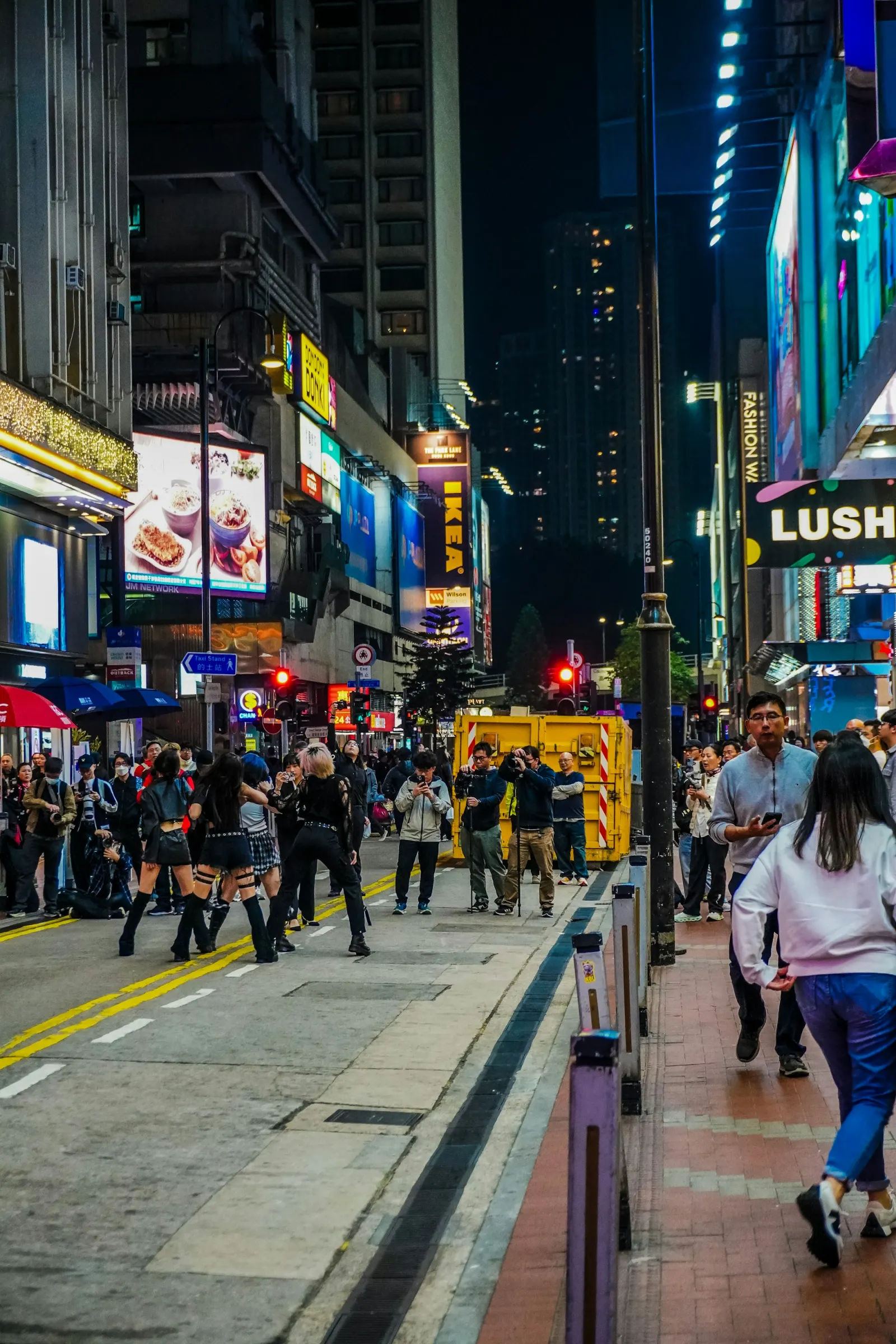
The Wan Chai street photograph makes the mechanism visible at a smaller scale. Performers need only a small patch of roadway; surrounding foot traffic can form an audience quickly. Retail signs, high-rise housing and mixed-language streets are not background decoration. They are the dense urban conditions that let a temporary scene gather and dissolve.
What makes these scenes contemporary
None of the six cities is modern because it has LED façades. The contemporary quality lies in combination:
| Urban ingredient | Cultural effect |
|---|---|
| Fast, late transport | Expands who can attend and how long they can stay |
| Reused venues | Gives industrial or sporting infrastructure a second public life |
| Commercial streets | Supplies light, food, foot traffic and informal audiences |
| Parks and riverbanks | Makes culture visible without requiring a ticketed interior |
| Phones and social platforms | Turn attendance, discovery and self-presentation into one loop |
| International and regional participants | Add real exchange when the programme allows people to meet, not only display flags |
The table is a reading tool, not a universal formula. A busy event can still be inaccessible, expensive or highly controlled. A quiet public space can be culturally valuable without becoming content.
Sources and scope
- Beijing Outdoor Music Map
- Shanghai Night Festival 2025
- Guangzhou Intercultural Day 2026
- Shenyang 2025 culture and tourism work programme
- Wuhan 2025 Yangtze River Culture and Art Season
- Hong Kong ImagineLand 2025
All six are official or organiser sources. They establish dates, locations, programme design and officially stated scale. They do not independently establish attendance, public sentiment or long-term cultural impact. The photographs likewise record particular places and moments; they are not demographic samples.
One useful next step
Open the six-city street-level field note, then choose one city. The cultural scene becomes more credible when its transport, food and public-space stories connect.