
Wuhan gives breakfast an unusually active name. Guozao is commonly explained as “passing the morning,” but in daily use it works like a verb: you go out and get breakfast done. The phrase fits a city where the first meal is varied, public and closely connected to movement.
Hot dry noodles are the international headline. They deserve attention, but they are not the whole story. Doupi, soup noodles, rice-wine drinks, tofu pudding, buns and other local choices make breakfast a field of decisions rather than one compulsory bowl.
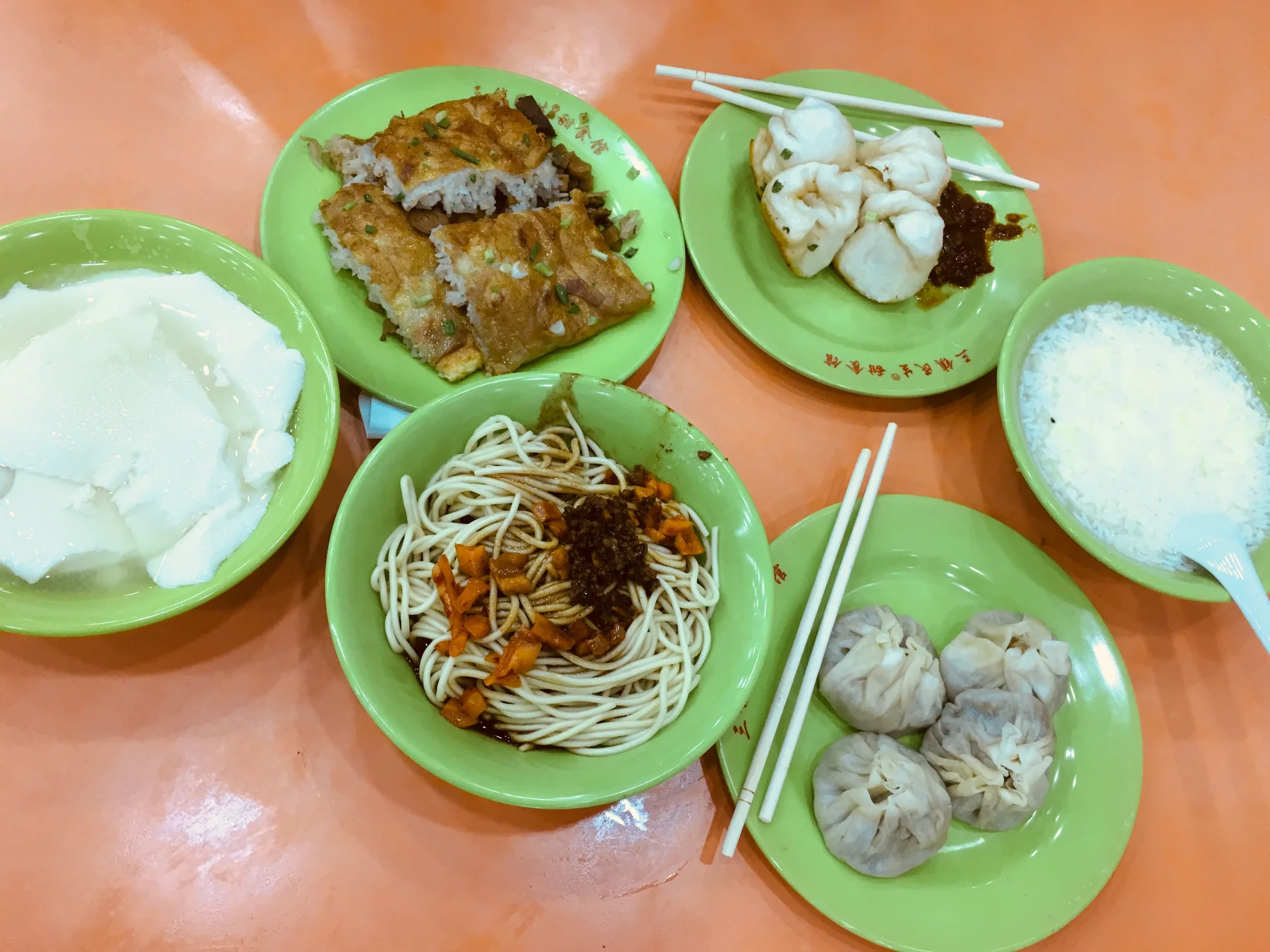
The city appears in the speed
Wuhan sits where major river and rail routes meet. Its metropolitan form joins historic Hankou, Hanyang and Wuchang across the Yangtze and Han rivers. It would be too neat to claim that geography single-handedly created breakfast culture, but public, quick morning food suits a large city of commuters, students, traders and industrial workers.
The useful visual is not a styled café table. It is the counter, the small stool, the takeaway bowl, the short queue and the practiced mixing motion before somebody continues to work or class. Breakfast is substantial without requiring a ceremonial meal.
Hot dry noodles require the final minute
The name reganmian—hot dry noodles—distinguishes the dish from noodles served in soup. Cooked noodles are finished with a sauce commonly built around sesame paste and seasonings, then mixed so the coating reaches the strands. Recipes and toppings vary.
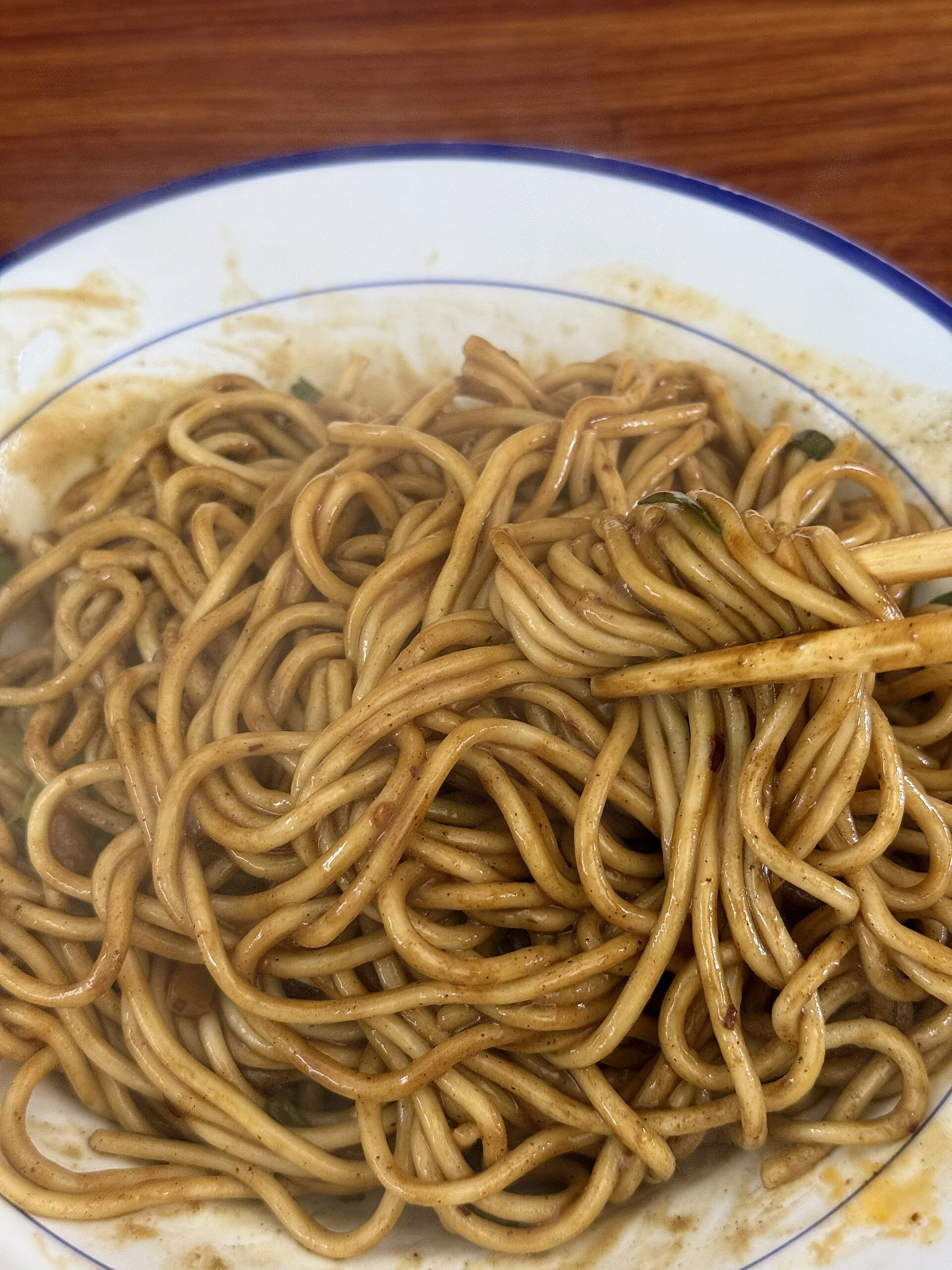
That last step matters culturally as well as technically. The customer often completes the dish by mixing it. A photograph of untouched noodles can make them look plain or heavy; the working state is glossy, coated and eaten quickly.
Doupi shows another breakfast logic
Doupi layers a thin egg-and-bean sheet with glutinous rice and a savory filling, then cooks the assembled slab on a griddle before cutting it into pieces. It is crisp, soft and filling in a different way from noodles.
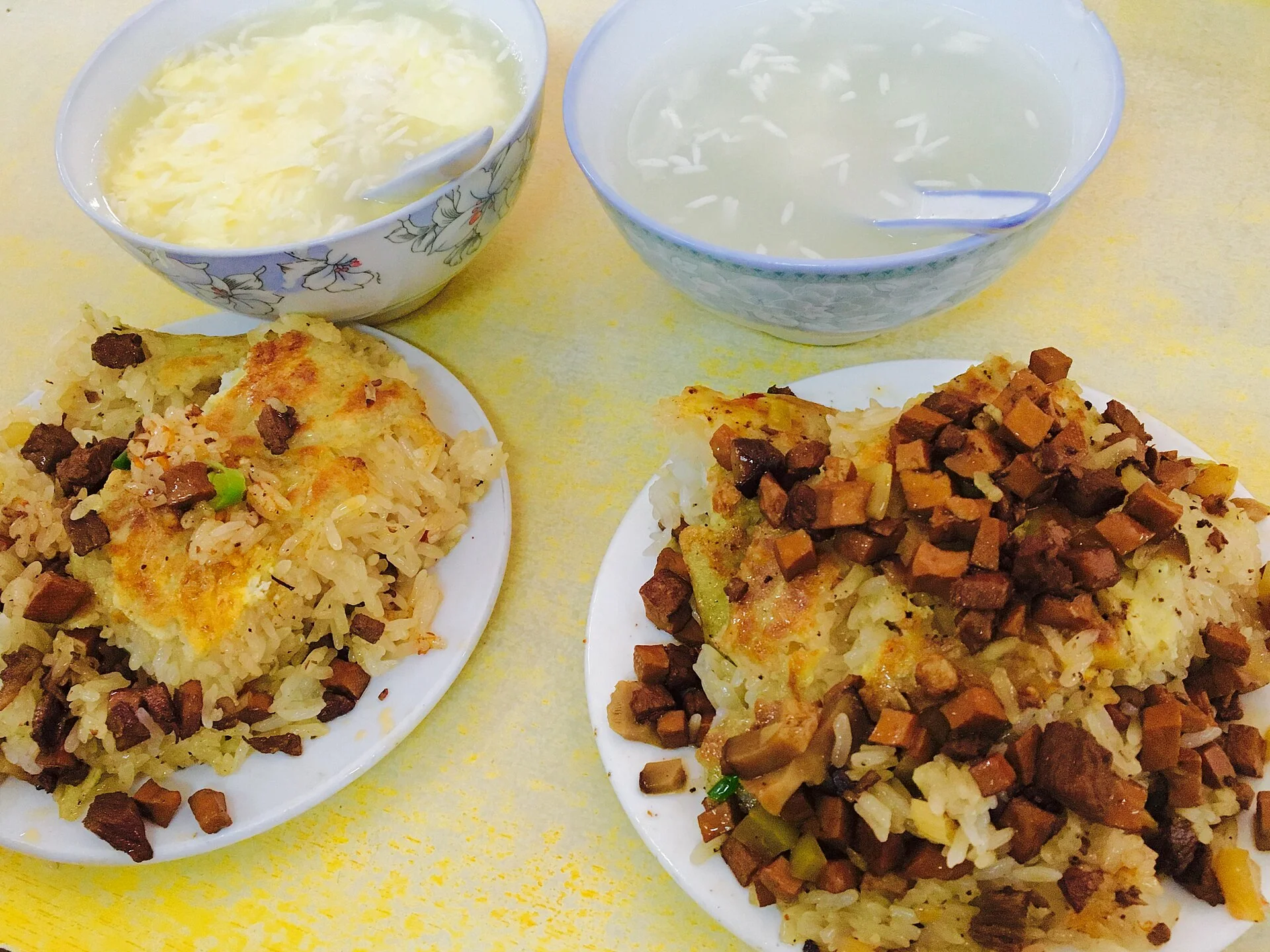
Putting the two together avoids the “one city, one signature dish” trap. A city cuisine is a repertoire used by different people under different constraints. Portability, fullness, price, queue length and habit can matter as much as fame.
How to experience guozao without turning it into a hunt
Start early enough that the morning context is still present. Choose a place with visible turnover and a menu you can ask about. Order one main item first. If you are with someone, share contrasting foods rather than buying every famous item at once.
Observe the sequence: where do people order, pay, collect condiments, sit and return dishes? This gives you a small lesson in the city’s daily operating system. It also prevents the common visitor mistake of blocking a narrow counter while trying to translate an entire menu.
For allergies or strict diets, ask about sesame, peanuts, egg, wheat, soy, meat fillings and cooking surfaces. “Breakfast” and “vegetable” are not ingredient guarantees.
Sources and scope
- Wuhan Municipal Government: “Guozao” breakfast culture — current official presentation of the term and Wuhan breakfast repertoire.
- China Daily: People regain appetite for life — reported observation of morning queues, takeaway noodles and breakfast returning as public routine.
- Wuhan Municipal Government: city overview — geographic, transport and metropolitan context.
This article explains a city practice, not a complete culinary canon. Vendors, recipes, hours and neighborhoods vary.
One useful next step
Open the Wuhan city guide and pair breakfast with a river crossing or rail journey. The point is to see how the morning meal fits the moving city around it.