
Wuhan is easier to start when the rivers become part of the address. Hankou, Wuchang and Hanyang are not interchangeable labels around one centre. The Yangtze and Han Rivers shape transfers, station choices and the time hidden inside a short-looking map line.
Your first decision is therefore not “which landmark first?” It is “which side of which river is the hotel on, and which station or airport route reaches that side cleanly?”
Before landing: save the bank, district and nearest station
Keep the hotel name and full address in Chinese and English, plus its district and nearest useful station. Save a map that still shows the Yangtze and Han Rivers when offline. The river outline provides better recovery information than a cropped pin with no city context.
Wuhan’s official city overview describes the metropolis through the relationship among the three historic towns and two rivers. Use that structure for orientation; verify the current route with live airport and station information.
Success signal: you can say whether the destination is in Hankou, Wuchang or Hanyang and show the exact Chinese address.
At Tianhe Airport: build the arrival stack first
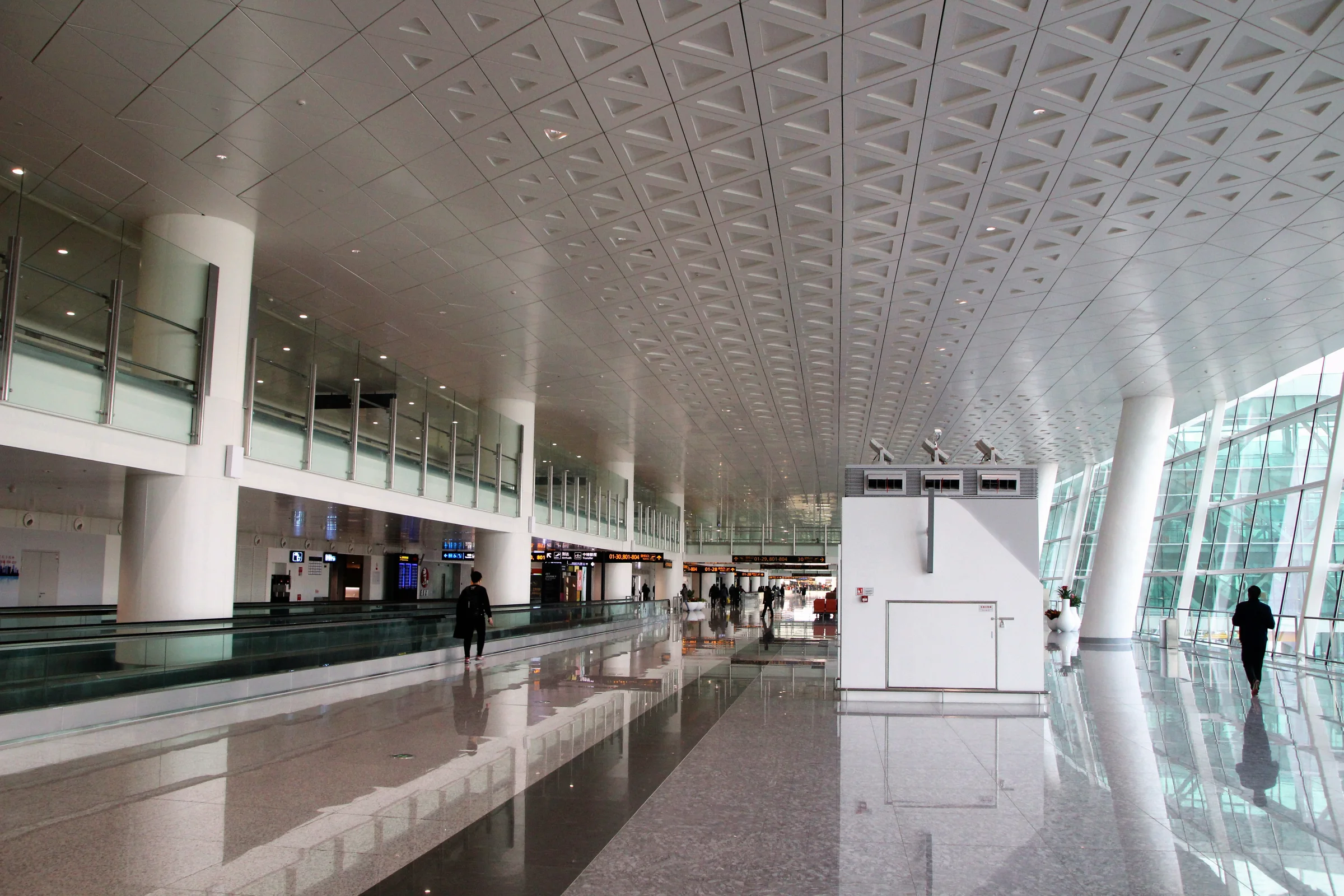
Before leaving Terminal 3, establish mobile data, two payment routes and a confirmed onward journey. Wuhan’s official airport transport page identifies the available categories of connection. Schedules, operating hours and terminal arrangements can change, so read current signs and use staffed help for the actual departure.
National guidance recognises mobile payment, bank cards and RMB cash for overseas visitors. Treat those as parallel routes. Test one small payment and retain a separate fallback rather than attempting repeated wallet setup while moving through the terminal.
If connectivity fails: keep the address visible, use authorised airport service and do not depend on a ride request that cannot receive a driver message or location update.
Choose the transfer by destination, not fame
A railway station name or well-known district may still be on the wrong side of the day you planned. Ask how many changes the airport route requires, where the final transfer occurs and whether luggage must cross a long interchange.
For an official taxi, show the written address and confirm the pickup area. For rail, retain the same ticket, card or app credential needed to exit. If a gate or payment attempt fails clearly, stop retrying and use staff assistance.
Success signal: the plan reaches the hotel entrance or a known nearby exit, not simply “central Wuhan.”
First evening: stay on one side of the water
Check in, confirm Wi-Fi and obtain the hotel’s Chinese address card. Then choose a short local walk, river edge or meal within a simple return route. A first evening is not the time to prove that every bridge and transfer is easy.
The riverfront is public space, but water level, weather and access conditions vary. Use signed entrances and a visible return path.
Day two: let breakfast start the city
Wuhan’s official cultural material treats guozao—having breakfast—as a city practice broader than hot dry noodles. Use the morning to see several forms rather than chasing one ranked shop: noodles, doupi, buns, tofu dishes and rice drinks can reveal different textures and service rhythms.
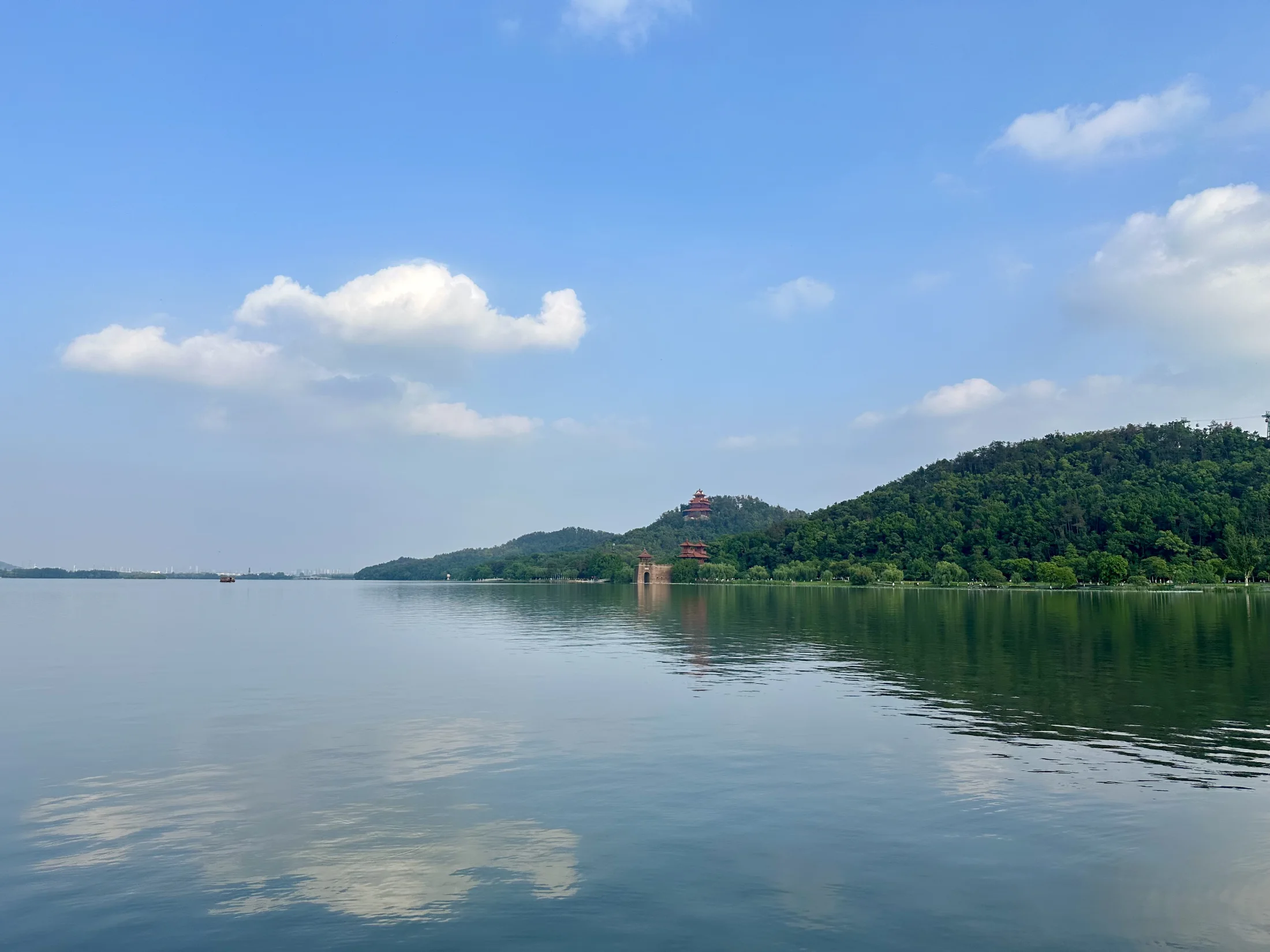
After breakfast, choose either a river-and-three-towns route or an East Lake route. Combining both with distant nightlife in one day hides the actual scale. East Lake is not a small ornamental stop; the lake and greenway require their own time and access plan.
Sources and scope
- Wuhan Municipal Government: Tianhe Airport transportation — official airport transport starting point.
- Wuhan Municipal Government: city overview — two-river and three-town orientation.
- Guide to Working and Living in China 2025 — national payment, connectivity, accommodation and transport guidance.
This page does not promise live schedules, fares, visa eligibility, riverfront access or venue opening. Confirm the exact route and conditions on the day of travel.
.jpg)
