
A cha chaan teng menu can place macaroni soup, milk tea, pineapple buns, curry, instant noodles and French toast within a few laminated pages. Read as a list, it looks inconsistent. Read as a Hong Kong institution, the logic is adaptation.
These cafés developed around affordable versions of foods associated with Western-style dining, then turned them into a local repertoire with Cantonese names, kitchen rhythms and combinations. The result is not an imitation waiting to become more authentic. It is a record of how a port city absorbed, compressed and reused outside forms.
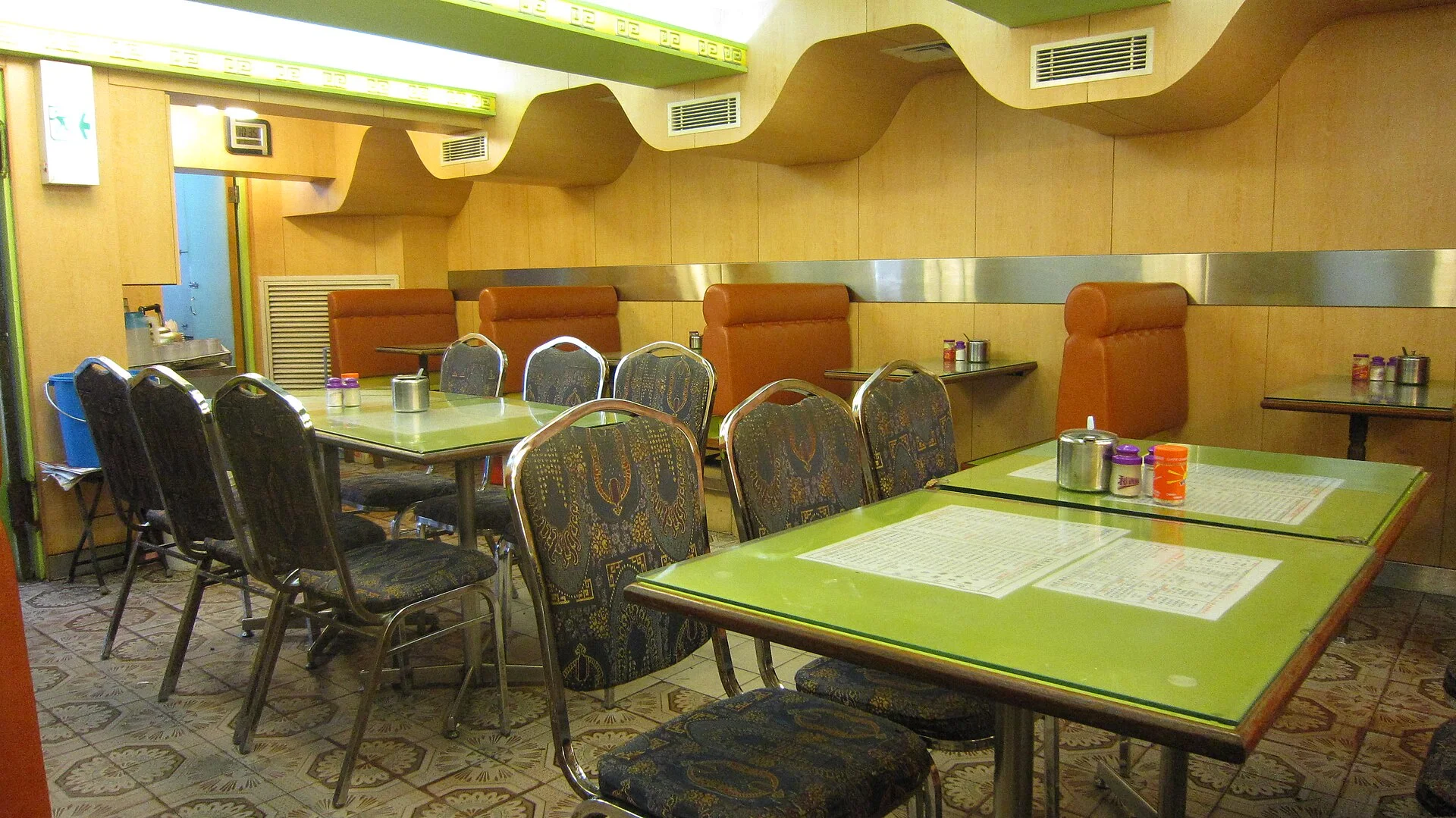
Speed is part of the form
Many cha chaan tengs serve people who want an ordinary meal without making the meal an event. Tables can be close. Staff may be direct. Sharing a table with strangers can happen. Set menus and time-of-day combinations reduce decisions.
None of this means every café is rushed or identical. It means the institution is comfortable with high-density daily use. A visitor who expects leisurely restaurant choreography can mistake efficiency for hostility. A better reading is to watch the room: order when ready, keep belongings compact and do not occupy a needed table long after finishing when the place is busy.
The menu records several histories at once
Hong Kong-style milk tea transforms black tea and evaporated or condensed milk into a drink with its own craft and following. French toast can arrive deep-fried, thick and sweet. Macaroni appears in light broth. Instant noodles become a restaurant base for eggs, luncheon meat or other toppings.
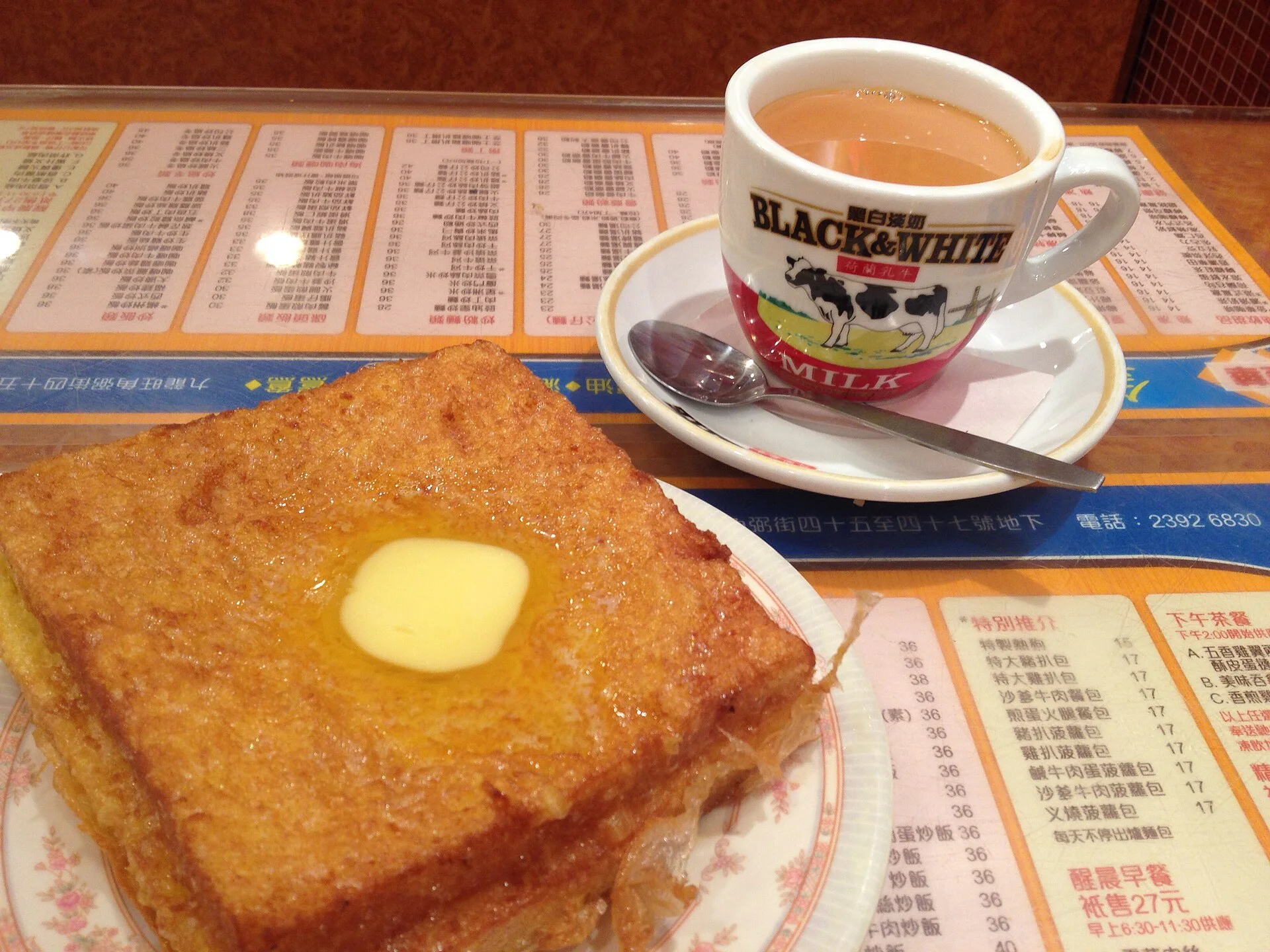
It is tempting to call these dishes “East meets West” and stop. That phrase names the ingredients but hides agency. Hong Kong cooks and customers decided what survived, what became sweeter or faster, what fit breakfast and what could be priced for repeat use. Adaptation is the cultural work.
Menu language is a practical archive
Names and abbreviations can be opaque even to Chinese readers unfamiliar with local conventions. English translations help unevenly. A set may be organized by time of day, drink choice and add-ons rather than by a simple starter–main–dessert sequence.
Use the menu as a decision tool, not a test. Pointing to a photo or neighboring table can help, but ask before assuming two visually similar dishes share ingredients. If you need to avoid dairy, egg, wheat, peanuts or meat products, state the restriction; milk tea, toast spreads, broths and sauces can contain more than their short names suggest.
Hong Kong needs its own scope
The cha chaan teng also makes an editorial point for this site. Hong Kong is part of the China story, but its currency, language mix, immigration arrangements, payment habits and institutions cannot be described by copying a mainland guide and changing the city name.
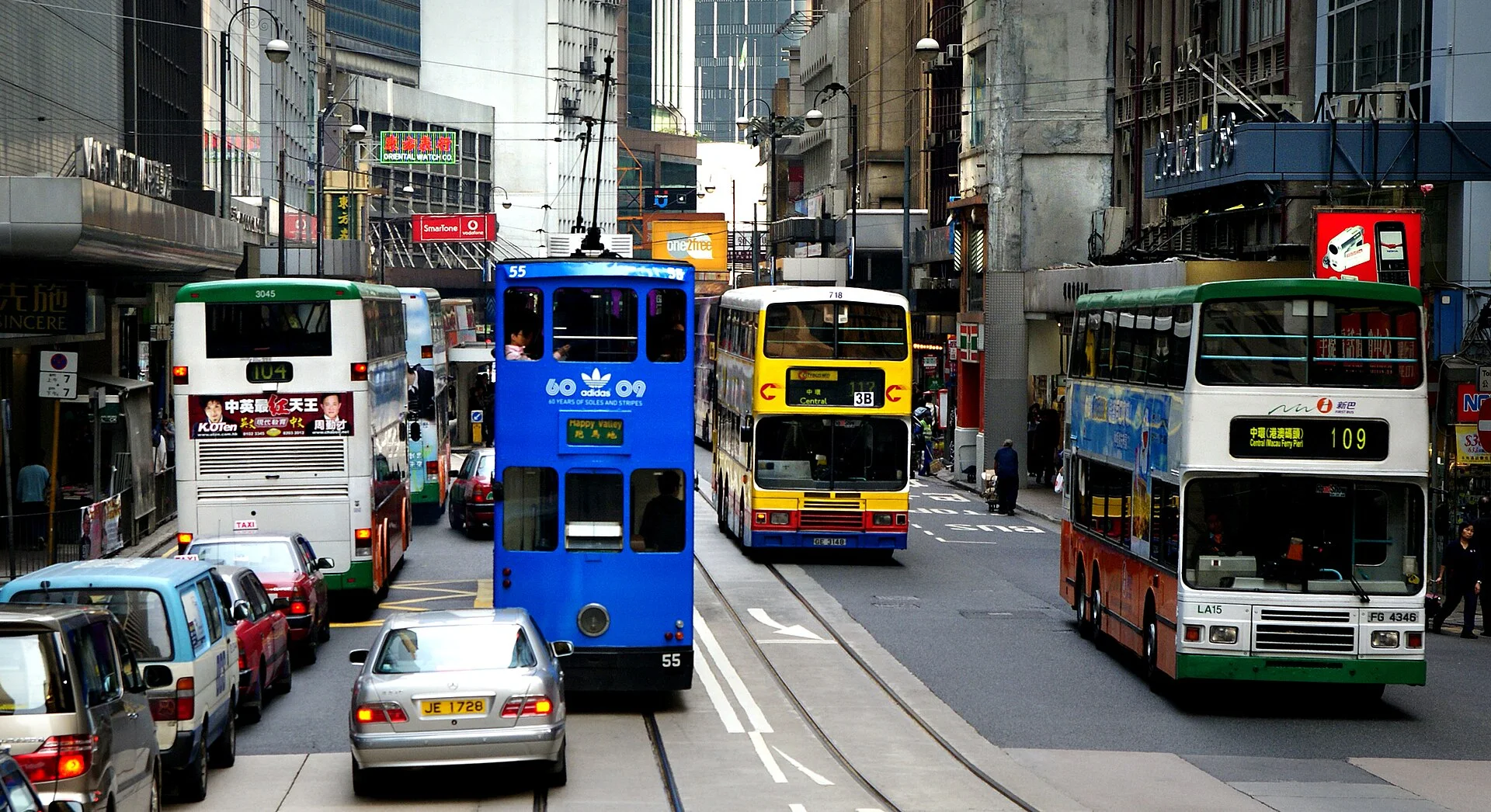
The café belongs to that specific urban system: expensive space, dense movement, long working days, Cantonese speech and a history of global exchange. It travels well as a cultural symbol because it solved local needs first.
Sources and scope
- Cultural and Creative Industries Development Agency: Tastes of Hong Kong — official cultural context for Hong Kong food traditions.
- HK Talent Engage: Savouring Hong Kong’s culinary landscape — current practical description of cha chaan tengs and everyday dining.
This is a cultural overview, not a claim that every cha chaan teng has the same menu, price or service style.
One useful next step
Use the Hong Kong city guide to connect the café to the transport, street density and local scope around it.