

The most fragile China trip is not the one without the perfect app. It is the one where every task depends on the same phone, account or payment card.
Build an arrival stack: one primary route and one independent fallback for the first day’s essential tasks. Complete the checks while you still have familiar internet access, your usual phone number and time to call an issuer.
1. Documents: verify, then duplicate
Check entry requirements for your exact passport, purpose, route and dates using an official Chinese embassy, consulate or visa-service source. Transit policies and visa exemptions have eligibility conditions; a headline about “visa-free China” is not a decision rule.
Carry the passport and any required visa or permit. Keep offline copies of your flight, first accommodation, onward travel and insurance information. Store copies in two places that do not require the same cloud login. A photograph of a passport is useful for reference but is not a substitute for the original where the original is required.
2. Connectivity: know when service begins
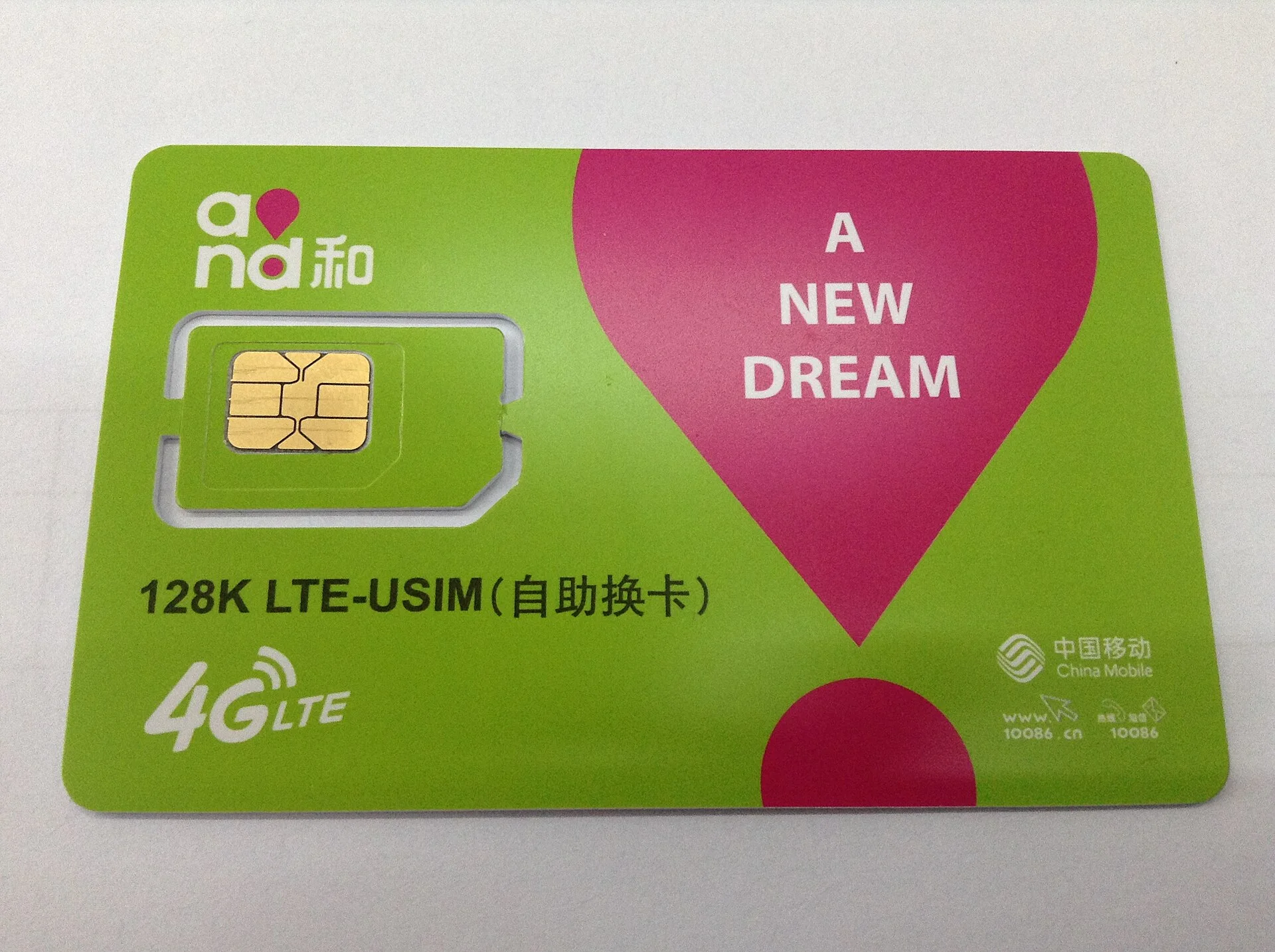
Decide whether your first connection will be home-carrier roaming, a travel eSIM, a mainland SIM or airport/hotel Wi-Fi. Check device compatibility, roaming settings, data routing and whether the product includes a mainland phone number.
A data-only eSIM may provide internet without a local number. That matters because some bookings or services send SMS codes. Keep important addresses and instructions offline in case activation fails.
3. Payment: prepare two different rails
Set up a supported mobile wallet if you intend to use one, complete identity checks and bind a supported card before departure. Then keep a physical card and cash as separate fallbacks. Two cards inside one wallet are not fully independent if the wallet account or network connection fails.
Tell card issuers about travel if their process requires it. Check foreign-transaction fees and daily limits. Never assume a successful small test guarantees every merchant or later risk check.
4. Arrival: make the first address unambiguous
Save your first hotel’s name, address and phone number in English and Chinese when available. Verify that the property can complete registration for a foreign-passport guest; current Chinese guidance says hotels must not refuse foreign guests on the ground that they lack a qualification specific to receiving foreigners, but operational confusion can still occur.
Keep the booking confirmation offline. If arriving late, message the property with the arrival time and ask how the desk is staffed.
5. Movement: separate airport exit from the whole trip
Choose one primary route from the airport or station and one simpler fallback. Record the transport name, operating window and destination in a form you can show. Do not depend on solving rail tickets, metro setup, ride-hailing and hotel directions simultaneously after landing.
For intercity rail, use the same passport details consistently. The name and document number on the booking need to match the travel document used at the station.
The 15-minute departure test
Put the phone in airplane mode and try to retrieve:
- passport and visa reference copies;
- first-night booking and bilingual address;
- arrival route and fallback;
- emergency contacts and insurance details;
- the last four digits and support numbers for your cards.
Then turn data back on and confirm that your wallet, email and messaging accounts do not require a code sent to a number you will lose when swapping SIMs.
Sources and scope
- China State Council: Guide to Working and Living in China (2025) — official guidance on communications, payment, transport, accommodation and daily services.
- U.S. Department of State: China international travel information — U.S.-passport travel information, contacts and current advisories.
Checked 23 August 2026. This guide does not determine visa eligibility, replace carrier terms or guarantee payment acceptance. Recheck official entry information immediately before departure.
If you only do one thing
Make the first hotel address and one working payment fallback available offline. Those two items turn many arrival problems into recoverable conversations.




.jpg)
