
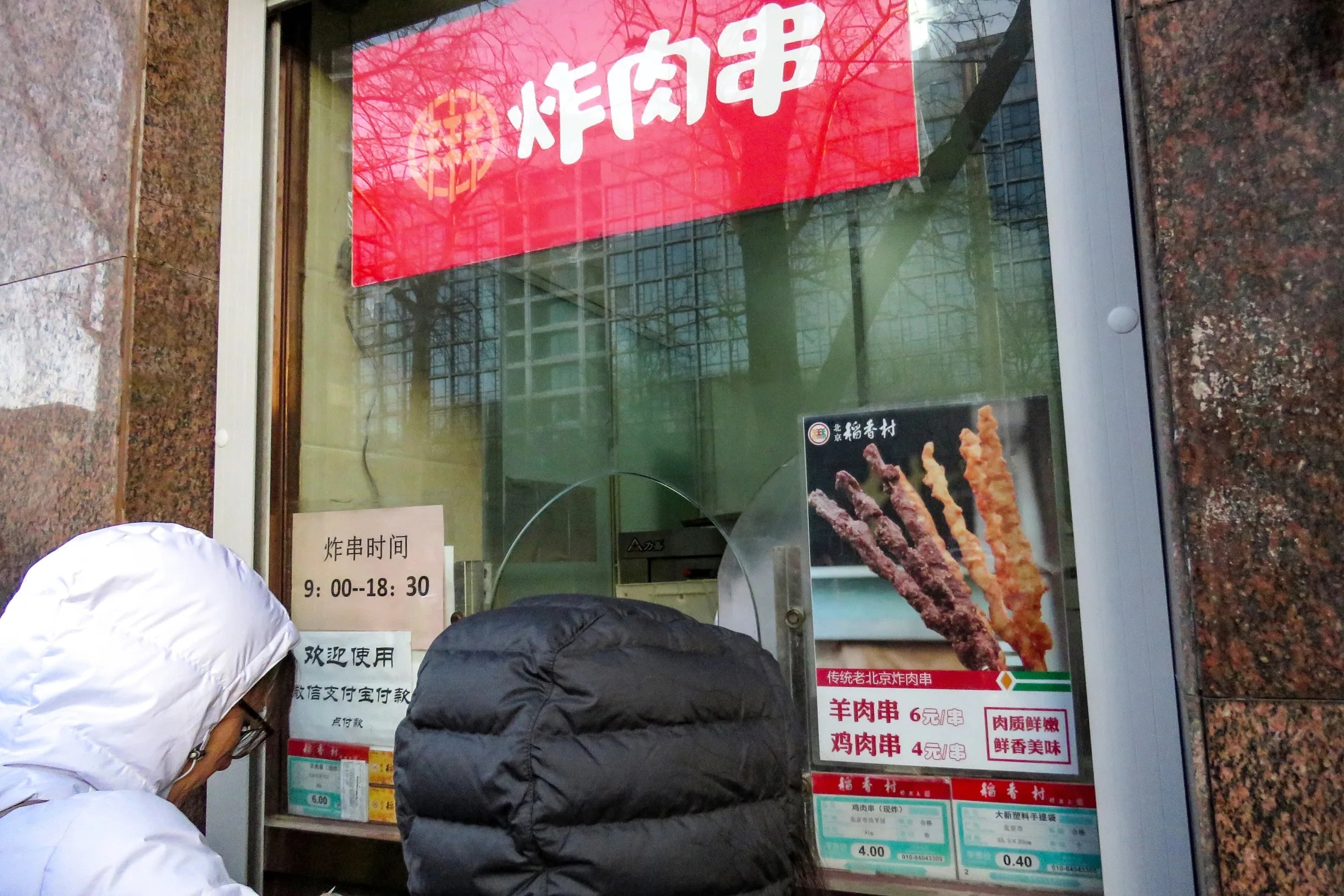
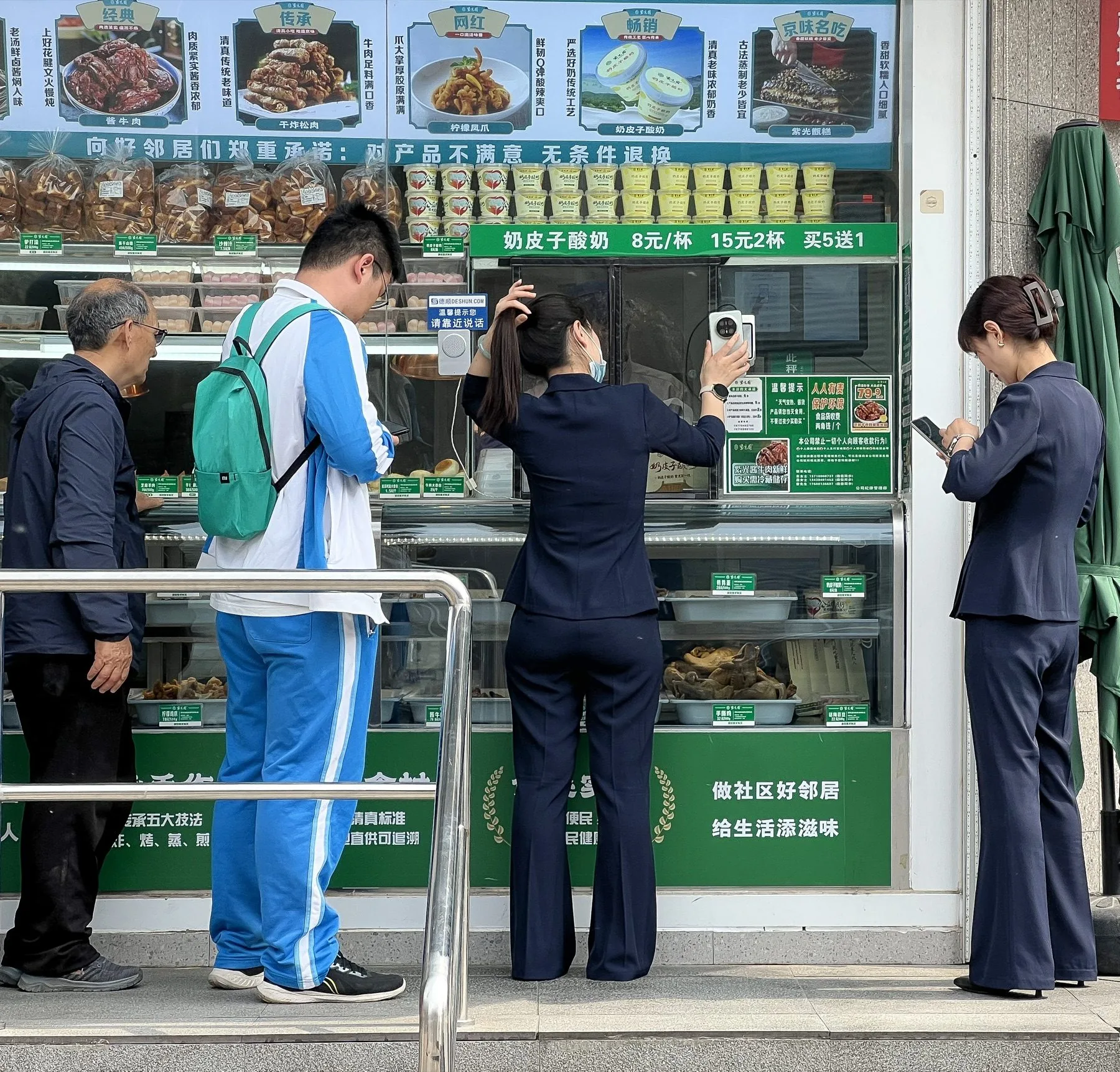
At lunch, the visible gesture may be a QR scan in Beijing, a card tap in London or a phone wallet in New York. The screen tells only part of the story. The deeper difference is where the payment credential lives, what the merchant terminal expects and which fallback remains when the first attempt fails.
Hold one task still
Compare an ordinary in-person restaurant payment, not each region’s entire financial system.
| Question | China | United States | Euro area |
|---|---|---|---|
| Common visible route | Wallet app QR, merchant scanner, card or cash | Card or mobile-wallet tap/insert, plus cash | Card or mobile-wallet tap/insert, plus cash |
| What a visitor may need | Supported wallet setup, card binding or merchant card acceptance | Compatible card or wallet | Compatible card or wallet; country and merchant variation remains large |
| Important fallback | Another wallet flow, physical card or cash | Another card or cash | Another card or cash |
| What not to assume | Every QR is payment or every foreign card works | Every merchant is cashless or every tip flow is identical | Europe is one payment market with identical acceptance |
The table describes broad routes, not universal merchant behavior. The U.S. Federal Reserve’s Diary of Consumer Payment Choice and the European Central Bank’s SPACE survey both show mixed payment ecosystems. China’s official visitor guide explicitly describes mobile payment, cards and cash rather than claiming that only one method exists.
What the current official numbers actually measure
The available headline numbers do not share one denominator. Presenting them as a three-country ranking would manufacture a conclusion the data cannot support.
| Market and period | Published result | Unit and population | What the number does not prove |
|---|---|---|---|
| Mainland China, Q1 2024 | More than 39 million mobile-payment transactions worth RMB 5.6 billion | Transactions made by inbound visitors; People’s Bank of China | The share of all restaurant payments, or the share of all Chinese consumer payments |
| United States, 2024 | Credit cards 35%, debit cards 30%, cash 14% of payments by number | Consumer payments recorded in the Federal Reserve diary survey | The payment mix of restaurants alone, or card acceptance at every merchant |
| United States, 2024 | 11 phone payments per consumer per month, out of 48 total payments on average | Average monthly count in the same diary survey | That every phone payment used the same wallet or in-person method |
| Euro area, 2024 | Cash 52% of point-of-sale transactions by number; cards led by value at 45% | About 50,000 consumers across euro-area countries in the ECB SPACE study | One uniform “European” habit; country and purchase-type variation is substantial |
| Euro-area restaurants, bars and cafés, 2024 | Cash 57% of transactions by number | A purchase-location slice within SPACE | The practice of a particular city, restaurant or diner |
The China figure is evidence that visitor mobile payment became a substantial operating channel after access changes; it is not a national market-share statistic. The U.S. and euro-area figures are survey estimates of payment behavior, but even those slice the activity differently. This is why the comparison below focuses on the experience and fallback of one task instead of declaring a winner in “cashlessness.”
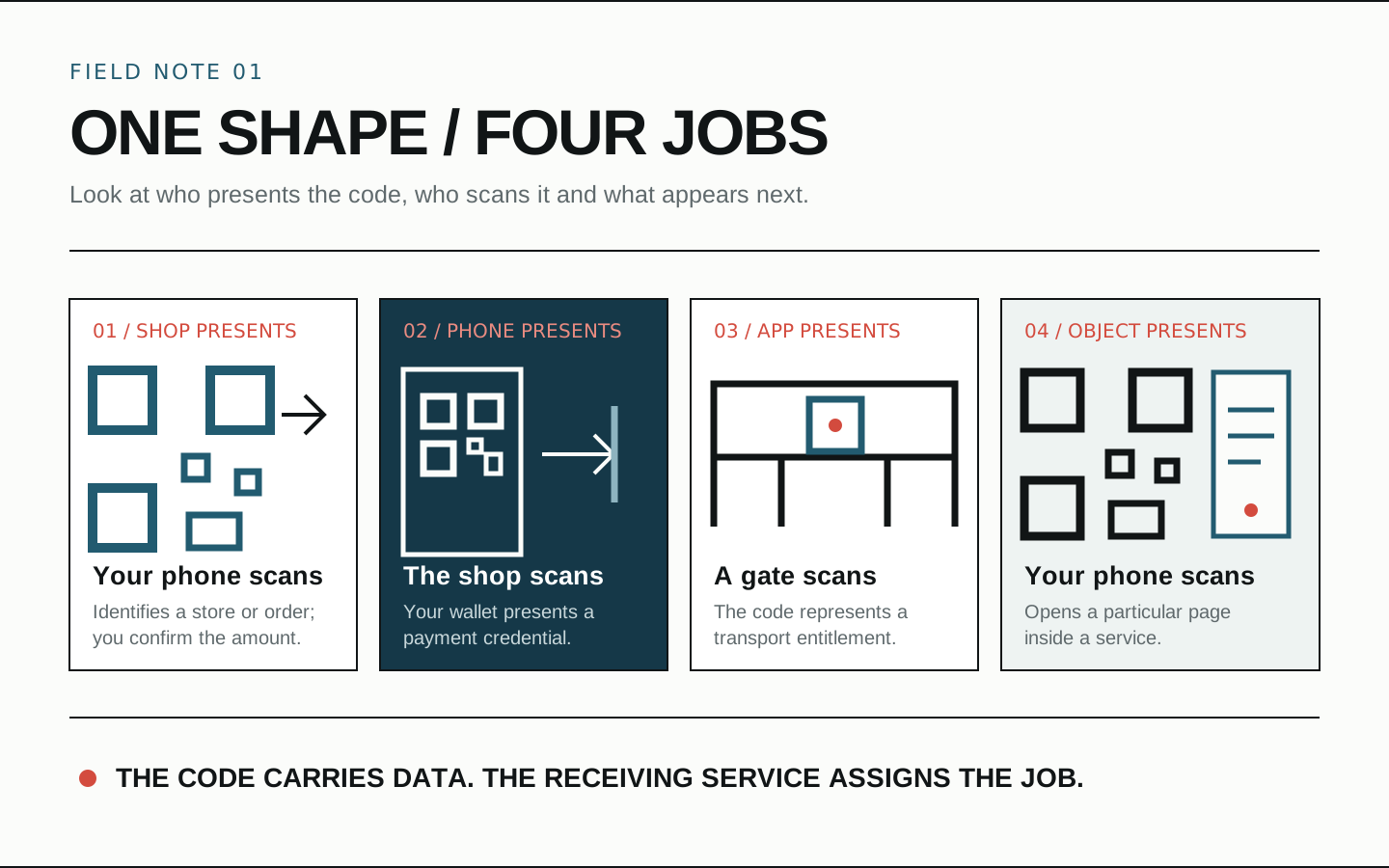
QR is a handoff, not the money itself
In China, the customer may scan a merchant code and enter an amount, or present a rotating code for the merchant to scan. These are different flows. Some QR codes open menus, transport services or mini programs rather than payment.
The visitor experience therefore depends on more than having a camera. The wallet may require identity verification, a supported foreign card, a network connection and successful risk checks. A small merchant may prefer one flow while a chain restaurant supports several.
In U.S. and European card environments, the credential often appears more portable because a contactless card can work without opening a merchant-specific app. But issuer blocks, offline terminals, card-network differences, gratuity screens and country-specific habits still introduce friction.
The social moment differs too
Payment technology changes table choreography. A QR at the table can combine ordering and payment before staff return. A handheld card terminal brings payment to the table. In some U.S. restaurants, a card may leave the table or a gratuity decision appears after the meal. In much of Europe, the customer may request the bill and use a terminal nearby or at the table.
None of these is a complete regional rule. Service model, restaurant type and city matter. The useful comparison is to ask: who initiates payment, where does the amount appear, when is gratuity decided and how is a mistake reversed?
What a traveler should do
For mainland China, set up one supported mobile-payment route before relying on it, but carry a physical card and some cash. Check the amount on your own screen. If a QR opens an unfamiliar service, stop and ask rather than authorizing by pattern recognition.
For the U.S. and Europe, tell your bank where you are traveling, know whether your card charges foreign-transaction fees and keep a second card on a different network when practical. Do not assume contactless acceptance means every transit or restaurant terminal supports the same wallet.
The best system is not the one with the most impressive gesture. It is the one that completes the task and has a recoverable second route.
Sources and scope
- China State Council: Guide to Working and Living in China (2025) — official visitor guidance covering mobile payment, bank cards and cash.
- People’s Bank of China: China Monetary Policy Report, Q1 2024 — the scoped count and value of inbound visitors’ mobile-payment transactions; it is not used as a national payment share.
- Federal Reserve Financial Services: 2025 Diary of Consumer Payment Choice — current U.S. consumer payment mix.
- European Central Bank: SPACE 2024 — point-of-sale and restaurant payment shares across the euro area, with survey scope and country variation.
Payment support changes by issuer, wallet, device, merchant and location. This comparison does not promise acceptance.
One useful next step
If you are going to mainland China, use the overseas-card Alipay guide and keep its fallback path. If you are comparing systems, record the failed attempts as carefully as the successful tap or scan.
.jpg)
.jpg)