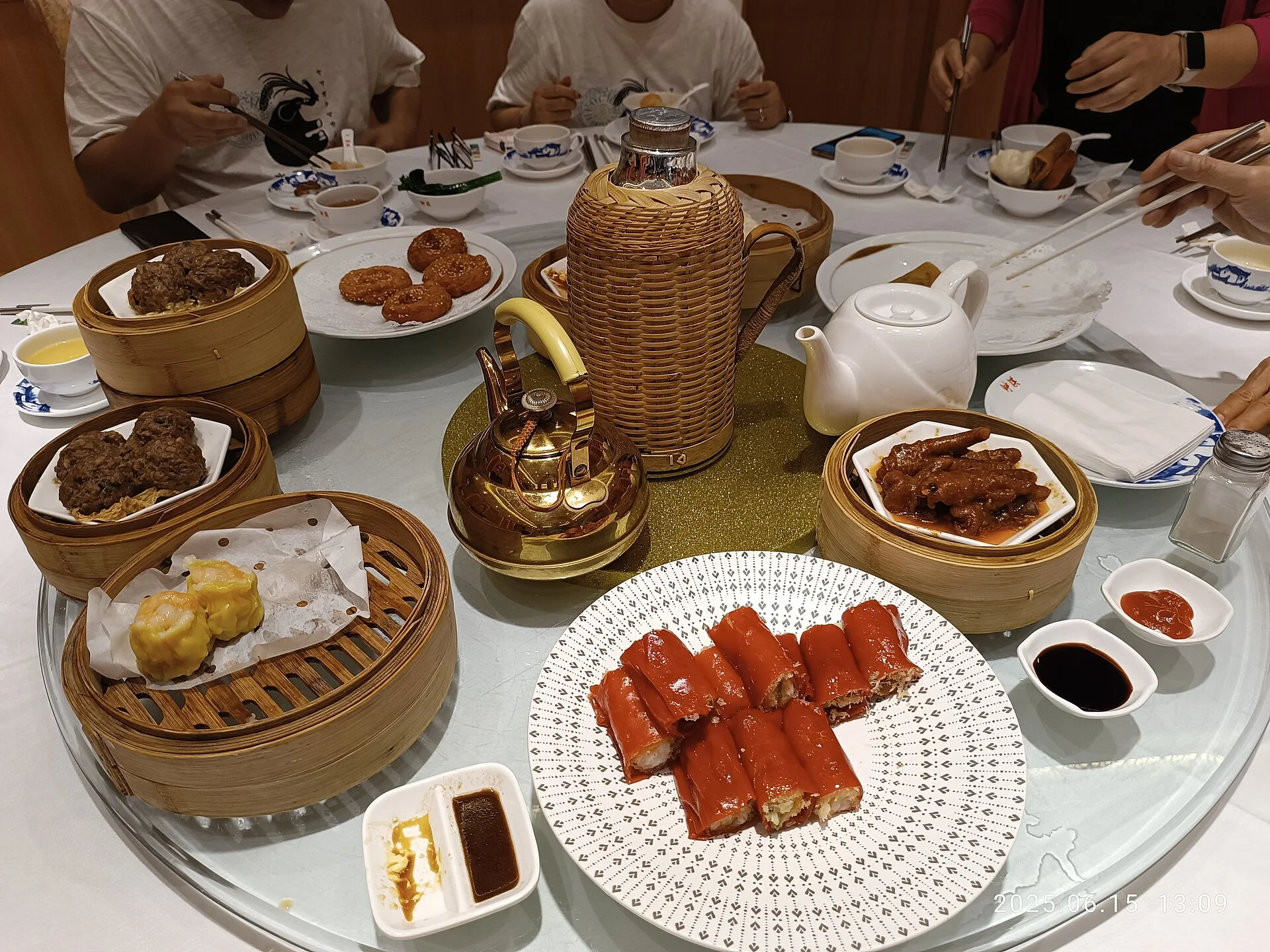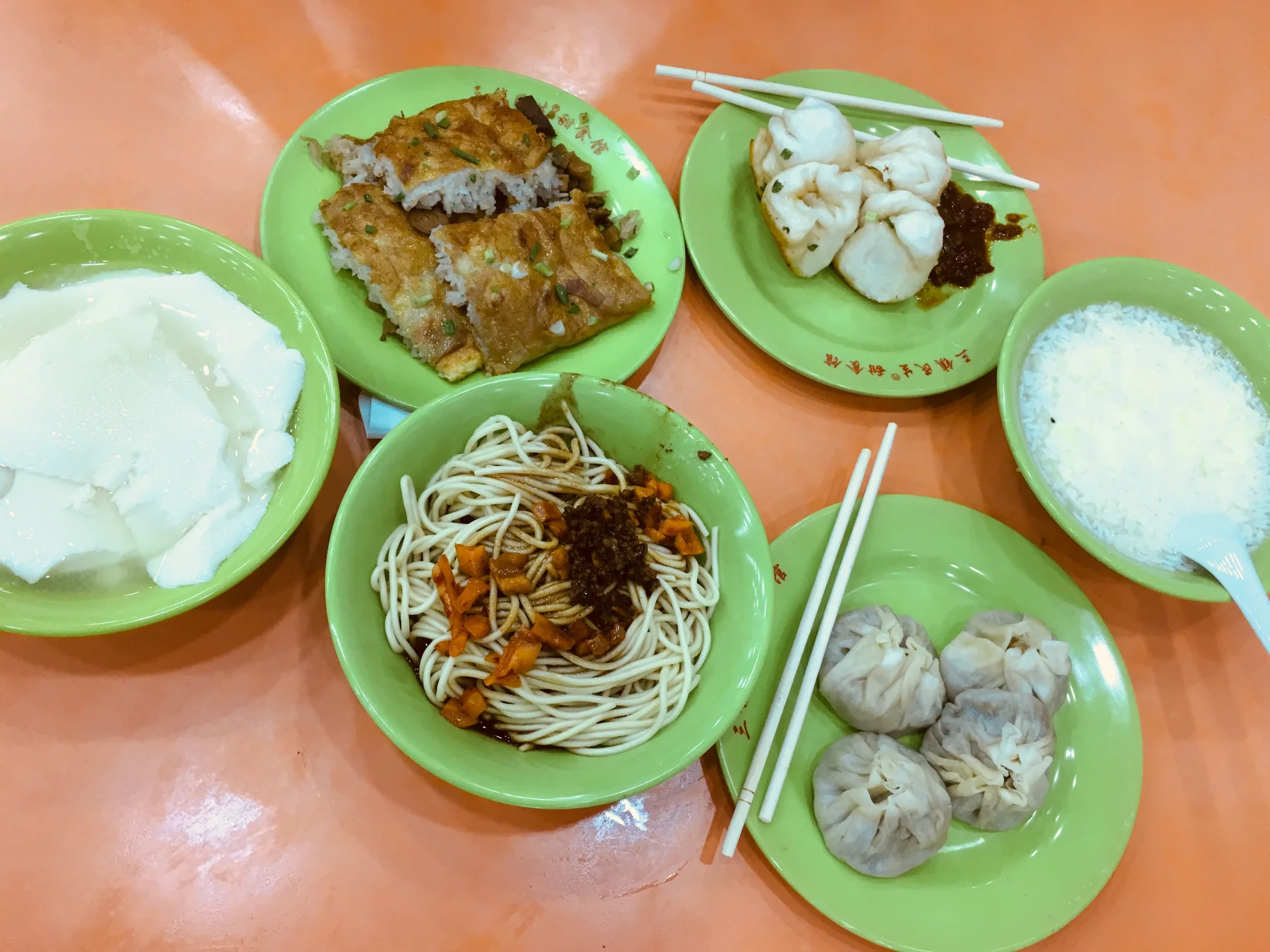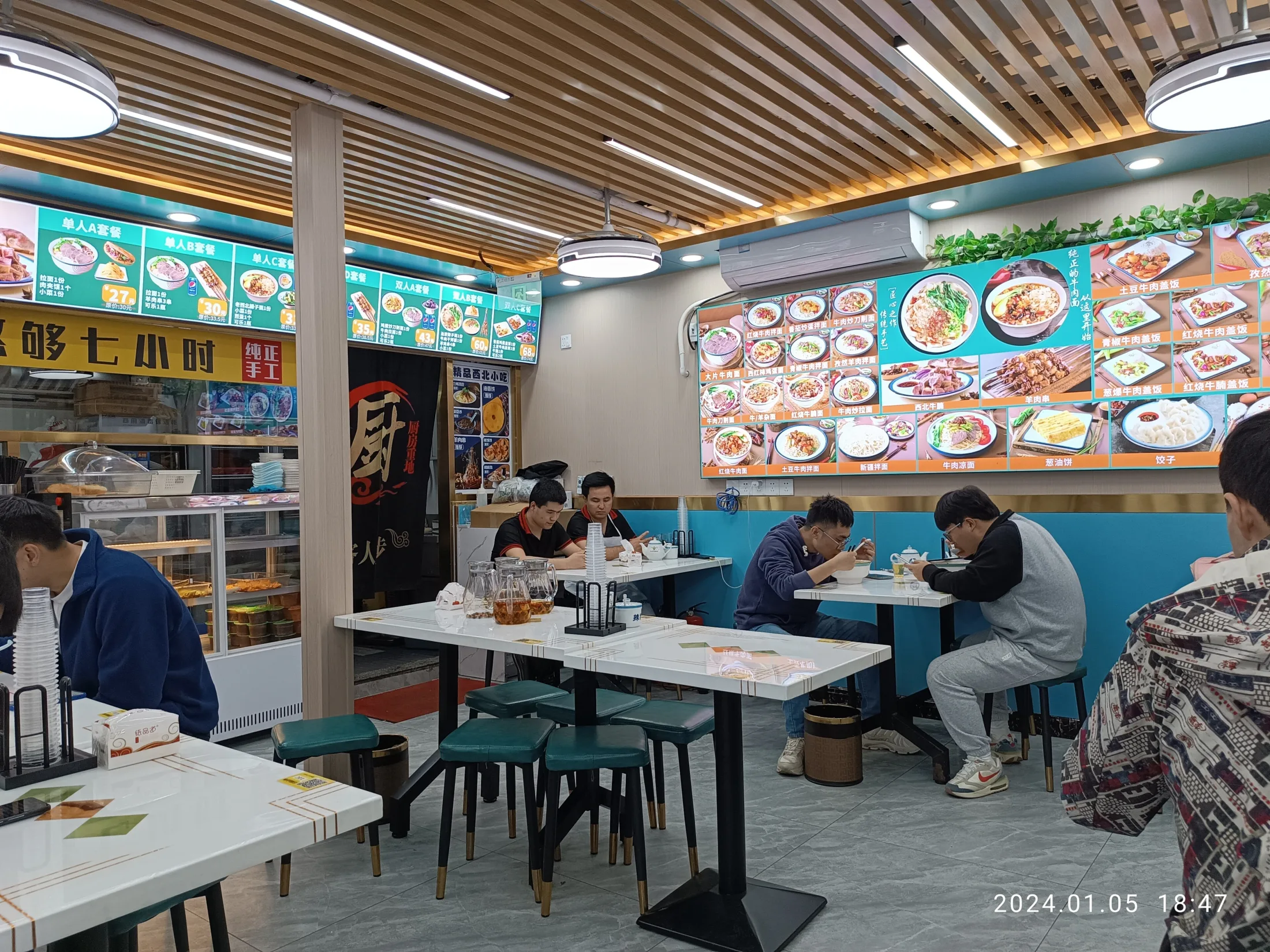
When several Chinese dishes arrive in the center of a table, the visible difference from an individually plated meal is obvious. The more important differences arrive before and after the plates: who chooses, how variety is created, how dietary needs are voiced and what “my share” means.
This is not a comparison between collectivist China and individualist America or Europe. All three contain family-style meals, tasting menus, shared starters, buffets and personal plates. Restaurant type, region, class, generation and occasion often explain more than nationality.
The unit of ordering changes
In a personal-plate meal, each diner can optimize one order around appetite and restrictions. In a shared-dish meal, the group builds a set. A good set often balances cooking methods, textures, vegetables, proteins and staples.
That creates a small coordination problem. One confident person may order. A host may choose dishes to show care. Regular groups may negotiate in shorthand. Visitors sometimes respond in one of two unhelpful ways: saying “anything is fine” to every question, then eating little; or treating the shared order like a list of personal requests.
A better contribution is specific and light: name a restriction, one strong dislike and one thing you are curious about. The group can work with that information.
Shared does not mean boundary-free
Common dishes can increase interaction, and research on shared dining has examined its relationship with social coordination. But the format does not automatically produce intimacy, equality or agreement. Seating, status, hosting expectations and who controls the order still matter.
Personal chopsticks moving directly between mouth and shared dish may be ordinary in some informal settings and avoided in others. Serving chopsticks and spoons have become more visible in many venues. Follow the table and use provided serving utensils. For allergies or strict diets, shared cookware and serving contact may remain a problem even when your own bowl is separate.
Portions tell different stories
An American visitor may see many dishes and assume excess. A Chinese diner may see the same table as a set intended for everyone, with each person taking small amounts. Conversely, a large individual entrée can look like one dish but contain a meal’s full quantity for one person.
Comparing plate count therefore misleads. Compare edible quantity per person, leftovers, price, meal duration and whether staples are included. A banquet and a weekday lunch should not occupy the same dataset.
Payment is another negotiation
“Who pays?” cannot be answered with one country rule. Hosting, age, business context, friendship and app-based transfers all matter. Splitting exactly can be normal in one group and awkward in another. One person paying at the counter may later receive transfers invisible to the visitor.
If you invited the group, state your intention clearly. If someone else hosts, offer once and accept the answer without staging a contest. Among peers, ask how the group normally handles it. Plain language beats an etiquette script copied from a listicle.
A fair side-by-side
| Meal decision | Shared-dish table | Individual-plate table |
|---|---|---|
| Variety | Built across the table | Built inside one order or through courses |
| Restriction handling | Must be communicated before the group order; cross-contact may matter | Easier to isolate, though kitchens still share equipment |
| Appetite | Managed through repeated small servings | Managed through portion choice, sides and leftovers |
| Social coordination | Visible in ordering and serving | More visible in conversation, timing and bill handling |
Neither system is more social by definition. Each puts coordination in a different place.
The practical advantage of seeing the structure is flexibility. A group can borrow from both: shared vegetables beside personal mains, separate allergy-safe dishes beside a common center, or one host order followed by an openly divided bill.
Sources and scope
- “Shared plates, shared minds” study — peer-reviewed experimental research on shared food consumption and social coordination; it does not establish a national rule.
- China Daily government culture guide: Yum cha — one established shared-table institution in Guangzhou.
- Cultural and Creative Industries Development Agency: Tastes of Hong Kong — regional context showing why “Chinese dining” is not one undifferentiated format.
This comparison describes meal structures, not fixed national behavior. Households and restaurants vary widely.
One useful next step
At the next unfamiliar shared meal, ask one useful question before ordering: “Are we choosing for the whole table?” That single sentence reveals more than memorizing ten etiquette rules.