
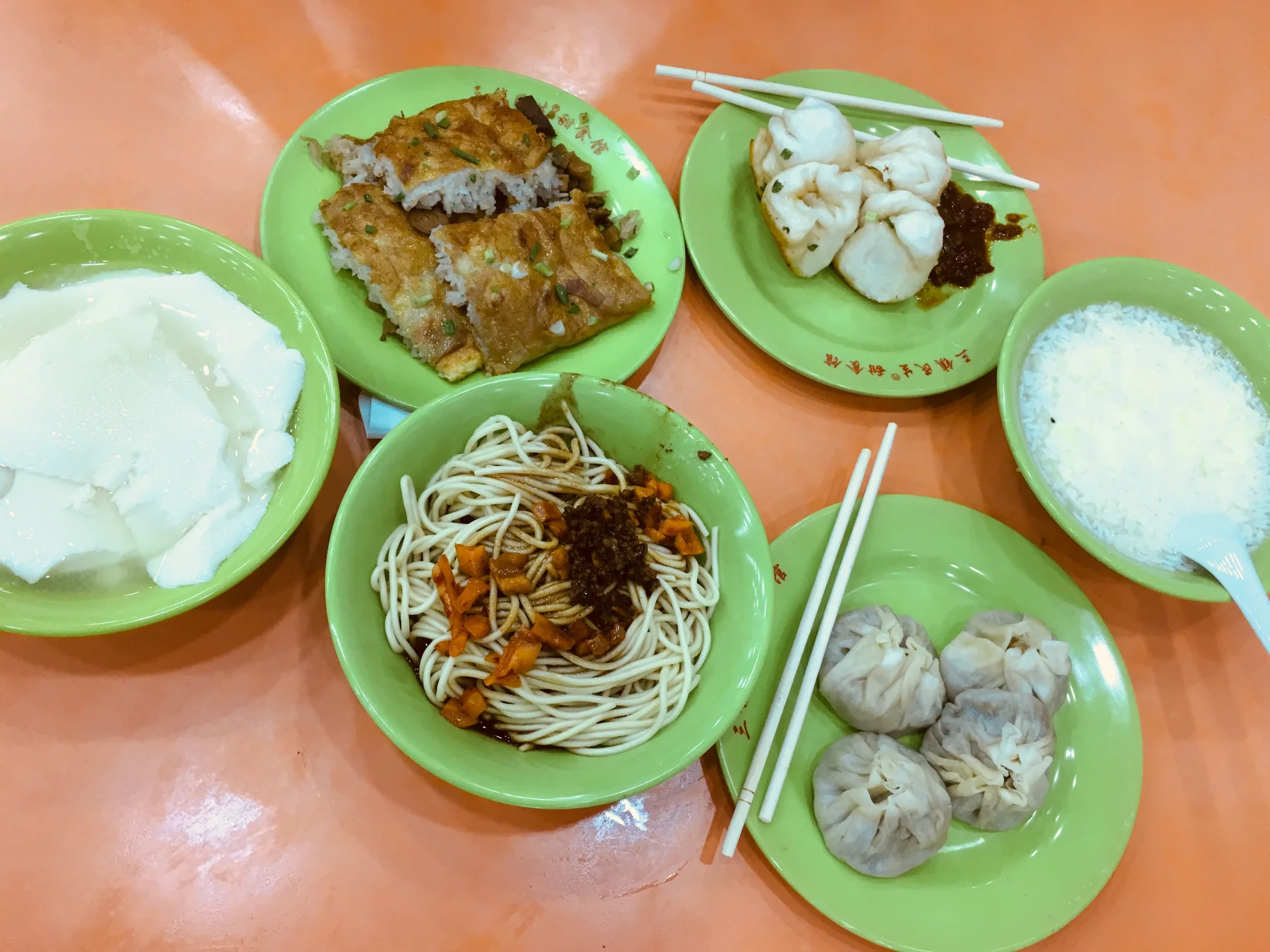
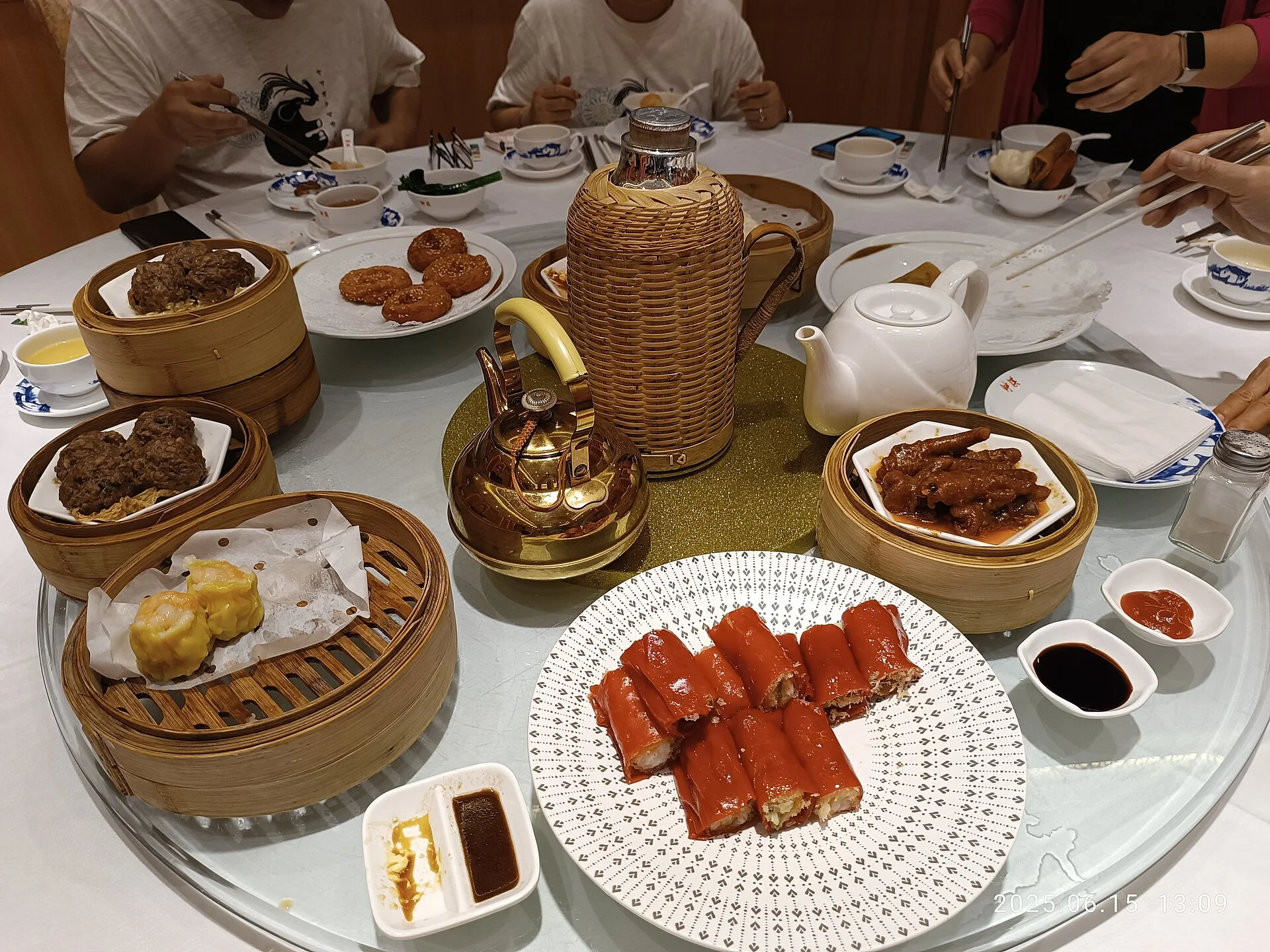


A shared meal is easier when you stop trying to decode every dish independently. The table is one composition. Your job is to help the group build enough contrast, communicate real limits and avoid ordering for an imaginary appetite.
Before the menu: say the constraint
Tell the group about allergies, religious requirements or strict diets before the order begins. Use concrete ingredients and preparation concerns. “No meat” may not answer whether stock, lard, oyster sauce or shared cooking surfaces are acceptable.
For a serious allergy, a translation card helps but cannot guarantee kitchen control. Ask whether the restaurant can accommodate the restriction. If the answer is uncertain, choose a safer venue or individually contained food rather than relying on politeness.
Build four kinds of contrast
For a small group, think in functions rather than famous names:
- one vegetable dish;
- one main protein or tofu dish;
- one contrasting technique, such as steamed versus dry-fried;
- rice, noodles or another staple appropriate to the meal.
Add a cold dish, soup or another main only if group size and appetite justify it. Regional meals work differently, so this is a quantity-control tool—not a claim about the correct Chinese menu.
Ask what the restaurant does especially well. A short seasonal menu and a large banquet menu should not produce the same order.
Use the photo, then ask one question
Photo menus solve shape, not ingredients. Pointing is fine, but ask about the uncertainty that matters: “Is this very spicy?”, “Does this contain peanuts?”, “Is the broth vegetarian?” or “How many people does this serve?”
Machine translation can help with nouns and short questions. Keep the sentence simple and show the original-language result on screen. Do not use an elaborate translated paragraph when one ingredient name will do.
At the table
Use serving chopsticks or spoons when provided. Take a small amount first; shared dishes let you return. Follow the host or table rather than applying one universal rule about seating, tea pouring or finishing every plate.
If a dish does not work for you, leave it without a speech. You can appreciate the meal, conversation and other dishes without proving adventurousness through a health risk or unwanted food.
Quantity and leftovers
Ordering generosity is real, but so is waste. Begin with fewer dishes and add more if the kitchen and meal format allow it. Ask about portion size. In many restaurants, packing leftovers is normal; the practical option is better than performing abundance for a visitor checklist.
Paying
Do not assume the bill will be divided item by item because each person named a dish. Ask the group: “Are we splitting this, or is someone hosting?” One person may pay at the counter and receive private transfers later.
If you invited people, state that clearly before the bill. If someone else hosts, offer once and accept their answer. Social clarity is more useful than an exaggerated contest over the payment code.
Questions readers ask next
How do I communicate an allergy at a shared table?
Name the ingredient and the risk before ordering, and ask about sauces, stock, garnishes and shared cooking equipment. A translation card can help, but it cannot guarantee an allergen-free kitchen.
Should the number of dishes equal the number of diners?
Not as a universal rule. Portion size, dish type, appetite and whether more food can be added matter more; begin with a balanced round and adjust.
Sources and scope
- Shared dining and social coordination study — evidence that sharing food can affect coordination in experimental settings; not a universal etiquette rule.
- China Daily government culture guide: Yum cha — a concrete example of shared small dishes organized around tea and social time.
This guide cannot certify allergy safety or represent every region and household. Restaurant practice and ingredient control vary.
Rehearse the first order
Read Shared table, individual plate for the cultural comparison, then keep the practical rule: name the constraint, build contrast, start smaller and ask one clear question.