
A Chinese guichu edit does not merely put funny footage under a song. It cuts speech into rhythm, repeats a face or syllable until it becomes a hook, and makes the source perform something it never performed before.
The closest English labels are remix video, sentence mixing, musical parody and YouTube Poop. None is an exact replacement. The easiest way in is to watch one minute closely and ask what the editor changed.
Start with the sound, not the reference
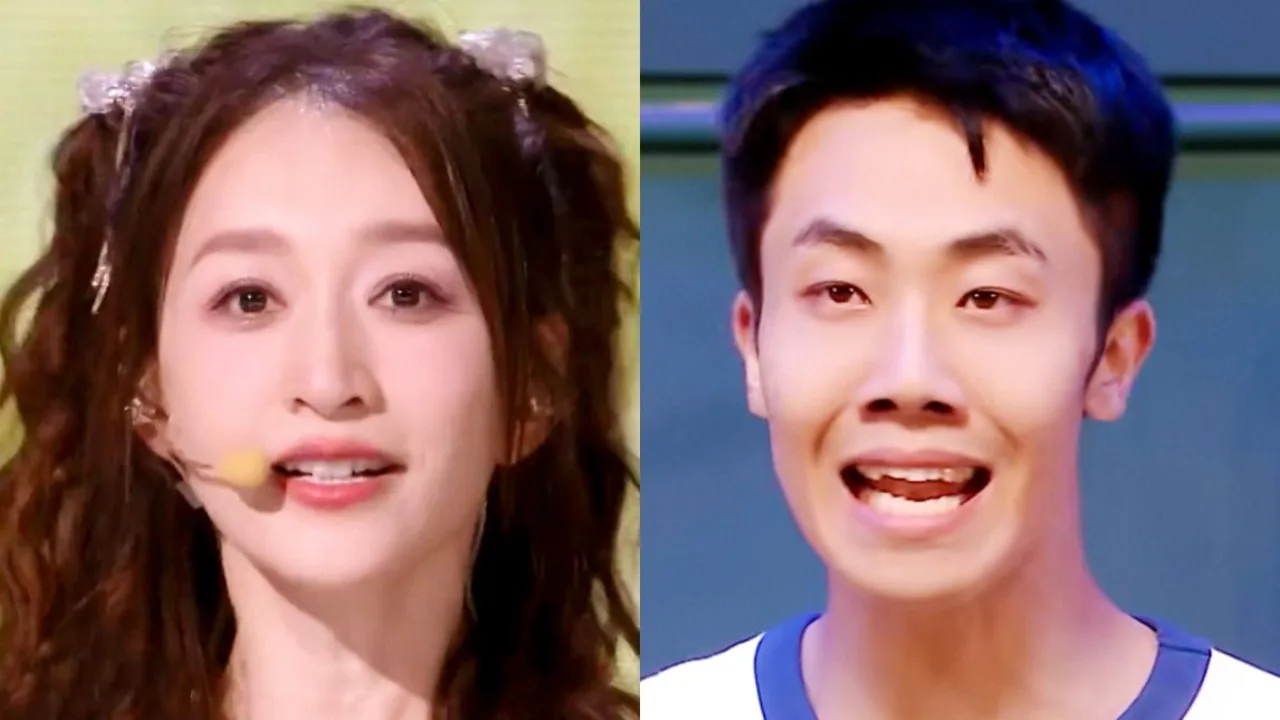
In the 2026 edit above, the Chinese title of the love song 《心愿便利贴》 (Wish Note) is bent into 万通筋骨贴, the name of a familiar pain-relief patch. The words resemble one another just enough for the editor to build a new refrain from variety-show speech.
You do not need to recognize every performer to hear the construction: a spoken syllable is isolated; the cut repeats at the song’s tempo; facial reactions become visual percussion; large text reinforces the new phrase; and each return makes the mismatch more deliberate.
The source footage supplies faces and voices. The edit supplies the performance.
Repetition changes ownership of a moment
In ordinary recap editing, a clip still points back to the scene it came from. Guichu can push the material past that point. A gesture repeated eight times no longer describes the original event; it becomes a beat. A sentence cut into notes stops functioning as testimony and starts functioning as an instrument.
This is why explaining only “who is in the clip” misses the work. The editor’s choices—where the loop begins, which consonant lands on the snare, when the face freezes—create the new meaning.
It is also why a translation can explain the pun without reproducing the joke. The joke lives in timing and sound.
Three related forms are often mixed together
Guichu (鬼畜) usually foregrounds repetition, speech chopping, rhythmic synchronization or exaggerated loops. The word is used loosely, and not every work contains all of those techniques.
Mashup brings two recognizable songs, scenes or styles together. Bilibili’s own historical collection includes works that align vocals from one song with the instrumental or structure of another.
MAD or fan edit often builds emotion, momentum or a new reading through selected footage and music. It may be comic, but it does not need the speech-as-instrument technique associated with guichu.
The borders move because creators borrow techniques from one another. Use the label attached by the uploader, then describe what the edit actually does.
A remix can become the version people remember
Bilibili’s “videos every newcomer should watch” collection preserves old mashups, fan edits and guichu works alongside documentary, animation and game videos. That does not make it an objective canon. It does show that remix is part of the platform’s remembered culture rather than disposable filler around “original” work.
The most durable edits give viewers two pleasures at once. Someone who knows the source hears the distortion; someone who does not can still hear a coherent beat, escalation or punchline. When only insider recognition remains, the work ages quickly. When the edit has its own structure, it can outlive the meme that supplied the material.
How to watch a remix you do not fully understand
First, play it once without pausing. Listen for the pattern. On the second pass, notice one layer at a time:
- What image or phrase returns?
- Does each return preserve the source, or move farther away from it?
- Which cuts make sound into rhythm?
- Where does on-screen text explain or deliberately misread the sound?
- Does the ending complete the new joke, or merely stop the loop?
Then open the uploader’s description. It often names the song, show, challenge or earlier work being answered. Comments can reveal shared references, but they are audience speech, not a reliable source for credits.
What to watch next
After the 2026 Wish Note edit, browse Bilibili’s historical newcomer collection and choose one item labelled mashup, MAD or guichu. The useful comparison is not which one has the larger view count. It is how each work turns recognition into a new rhythm, emotion or joke.
Sources and scope
- Wish Note becomes Wantong Pain-Relief Patch — the concrete 2026 work analysed here.
- Bilibili’s historical newcomer collection — platform-curated examples and labels across guichu, mashup and fan editing.
- Bilibili: About us — the platform’s own description of remix-oriented sections and participatory culture.
The page analyses editing choices visible in named public works. It does not reproduce the videos, claim that one creator represents the category or treat platform curation as a neutral history.