
A small mystery is the engine of many Chinese science videos: What animal is this? What caused this color, shape or movement? The question works in a short clip because the viewer can make a guess before the explanation arrives. In Life Wonders, that familiar curiosity expands into travel, field observation and a produced landscape story.
The subject here is not a profile of Zhang Chenliang, better known online as Wuqiong Xiaoliang. It is the durable question-and-identification format that can survive as the video gets longer and the production around it becomes more ambitious.
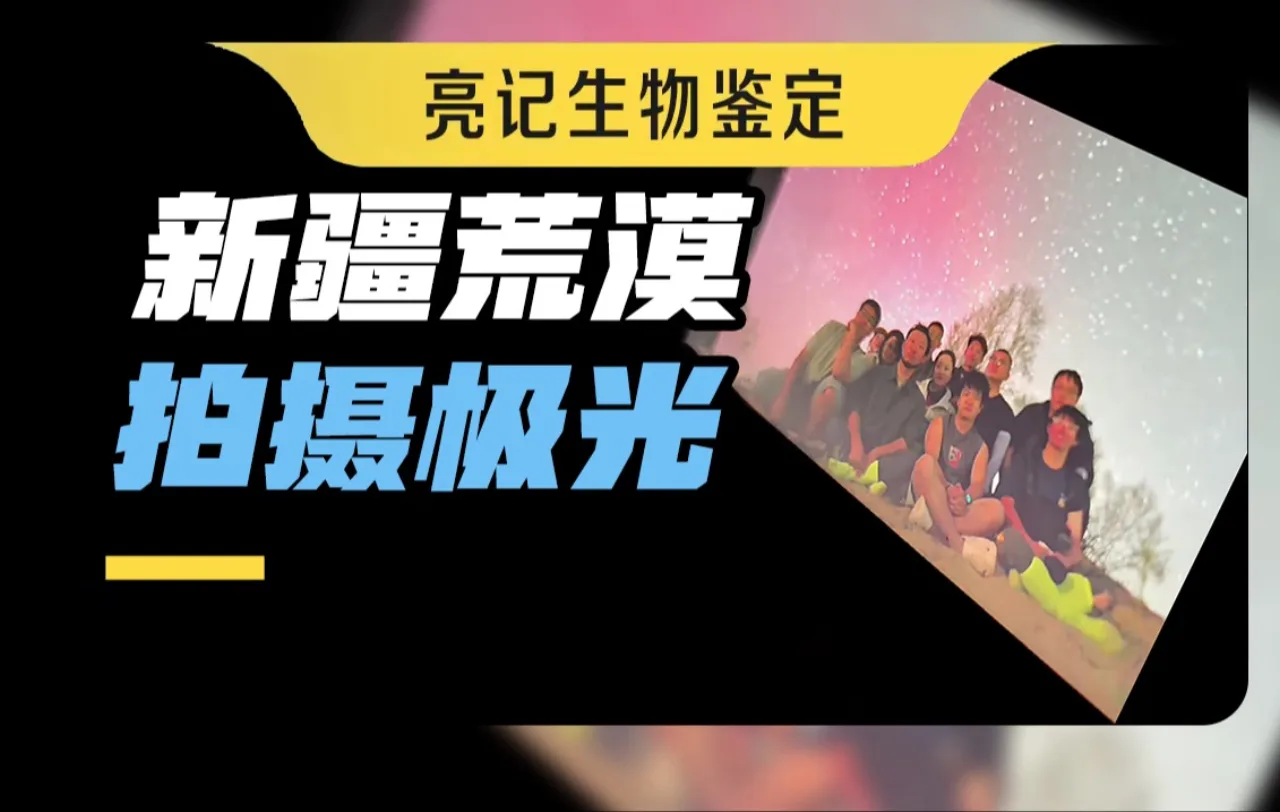
The short form begins with a guess
On the checked Douyin account, recurring organism-identification videos establish the compact version of the form. A strange creature or circulating claim appears first. Recognition, correction and a memorable verbal turn deliver the payoff. The audience does not need a full biography of the presenter to understand the structure.
The same recurring label also appears in public Weibo video posts. There, the clip can sit inside a wider discussion surface: hashtags, reposts and replies connect the identification to other current material. Weibo changes the surroundings of the video more than its central question.
Long video restores the journey
The Bilibili and Chinese National Geography production Life Wonders keeps the curious voice but gives it distance to travel. Field locations, weather, ecological relationships and the work of reaching a subject become visible. The answer is no longer just the name of a creature or phenomenon; it becomes a route through an environment.
That expansion changes the viewer’s role. A short clip asks for a fast guess and correction. A field documentary asks the viewer to stay with uncertainty, scale and process. The recognizable online voice helps bridge the two experiences, but the production team, location work and editing now carry far more of the story.
What survives across the platforms
Three elements remain stable: an ordinary-looking mystery, a promise that it can be identified, and a tone that treats curiosity as social rather than solemn. What changes is the amount of context surrounding the answer.
For a U.S. viewer arriving through one translated clip, this distinction matters. “Chinese science influencer” describes a person. It does not explain the form. Watching for the opening question, the correction and the widening field context makes the work legible even when subtitles are incomplete.
Where the evidence stops
The checked Douyin and Weibo profiles show that the recurring identification format appears on short-video and social surfaces. The Bilibili pages establish the public Life Wonders work and its production framing. A 2022 journal study examined comments on a limited sample of Bilibili videos; it helps identify what that audience discussed, but it cannot establish a current nationwide trend.
This page therefore makes a bounded claim: one recognizable science-explainer form has been adapted across three platform settings and into a produced field documentary. It does not rank creators, compare total audiences or claim that all Chinese science video follows this pattern.