

AI motion comics can look like a nearly finished drama in a short feed and like a pile of unresolved production decisions in a long video. That contrast is more useful than another list of AI tools. It shows where the form actually succeeds or breaks: keeping a face stable, moving a body through several shots, matching sound to the cut and delivering the next episode before attention disappears.
These are different examples of AI 动态漫 / AI 漫剧, not one series tracked as it spreads. The workflow notes come from the September 14 check of Douyin clips and Bilibili breakdowns; the finished English-language episodes below are separate comparisons. A dated Weibo complaint helps identify a viewing problem, but does not show how widely it occurs.
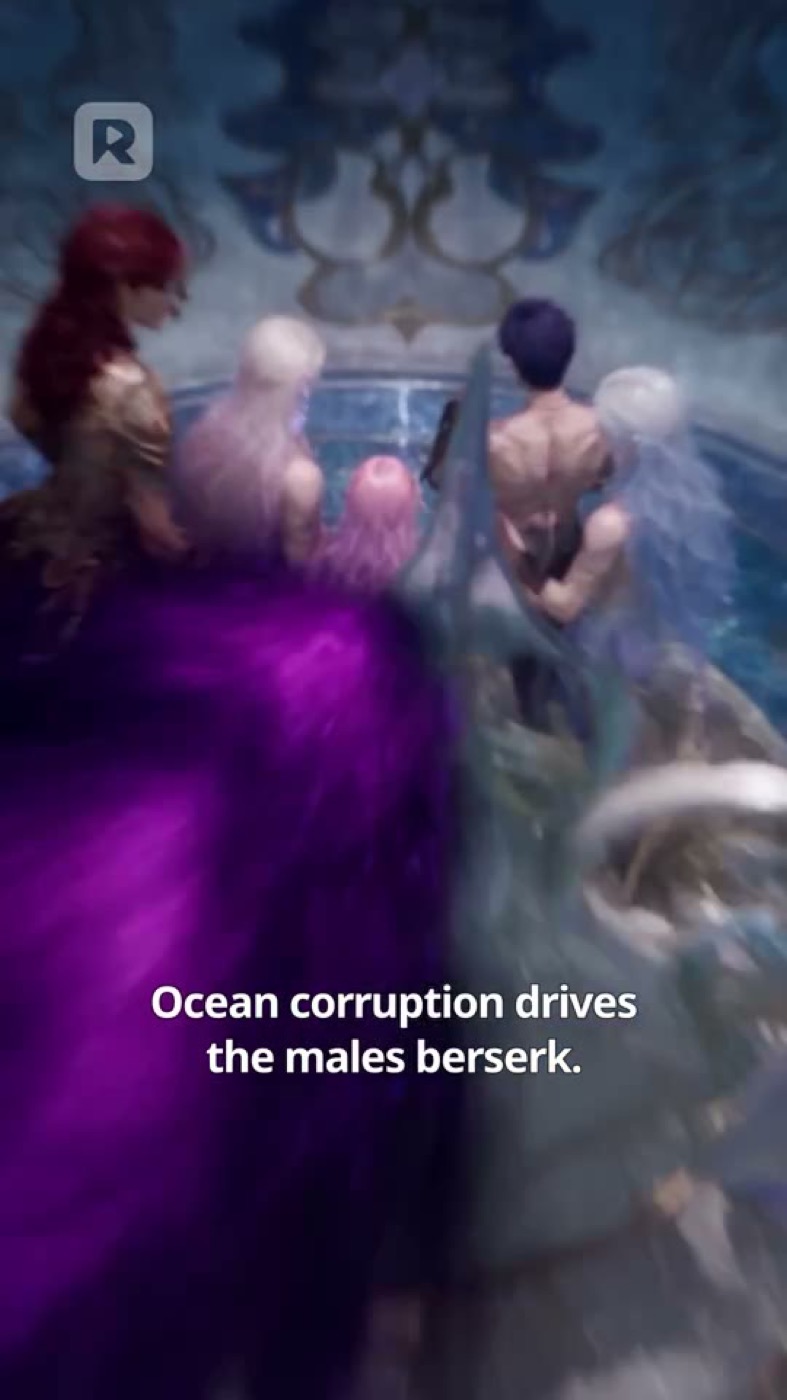
The finished clip compresses the labor
The Douyin samples checked here present consistency as a practical bottleneck. One April video begins with a three-view character sheet, then connects scenes with first-and-last-frame control. An August workflow moves from script and storyboard through character consistency, image-to-video, voice and final edit. In both cases, the short clip turns many production stages into a fast proof: the character still looks like the same person and the sequence can continue.
That proof is persuasive because viewers usually meet the form after the difficult choices have been hidden. A face has already been selected. Failed generations have disappeared. The edit has chosen the fragments that connect. What looks like one AI act is actually a chain of editorial decisions.
For a viewer, three seams remain visible:
- Identity: does the face, hair, costume and apparent age survive a change of angle?
- Space: can the viewer tell where bodies and objects are between cuts?
- Performance: do pose, camera movement, voice and music create an emotional beat, or merely movement?
These are not software questions. They are screen-reading questions.
The long breakdown restores the missing decisions
A Bilibili series built around a time-travel story titled Journey to the West: Gao Cuilan places finished episodes beside tutorials on script adaptation, character three-views and storyboard animation. That arrangement changes the object. The short episode asks whether the hook lands; the production chapters ask how repeatable characters and shots were assembled.
A second Bilibili tutorial makes the storyboard problem even clearer by organizing a sequence into a 25-frame grid. The grid is not automatically a better story. It is valuable because it exposes continuity as a system: one panel must leave enough visual information for the next panel to feel intentional.
In these selected examples, duration changes what the viewer can inspect. A compact workflow demonstrates a sequence of stages; a chaptered breakdown gives those stages more room. That is a difference between the examples, not proof that Douyin always hides production or Bilibili always reveals it. Either platform can host a finished clip or a tutorial.
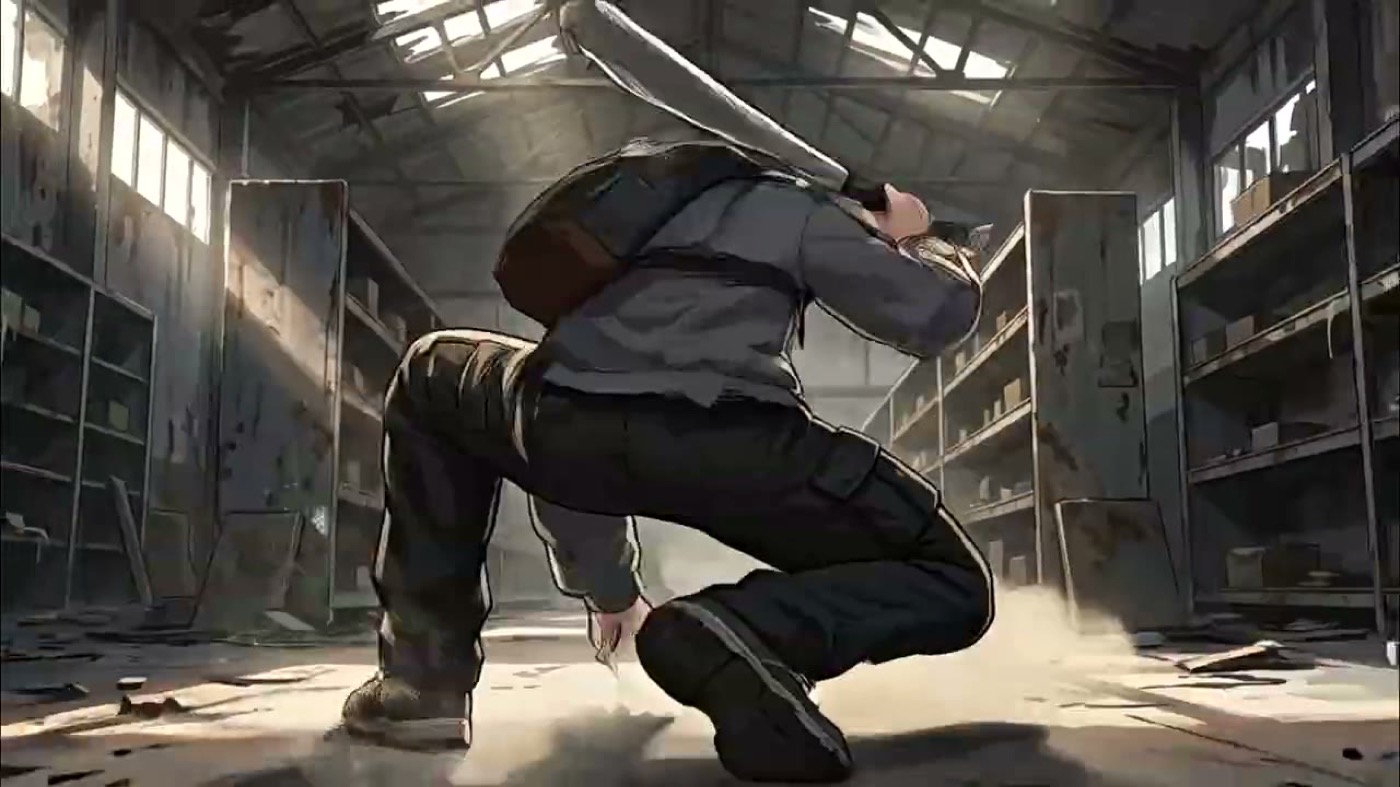
Weibo shows what production tutorials leave out
The August 17 post at the top of the Sina collection describes recommendations that the writer could not continue: comments said the episodes were on Hongguo, but the writer could not find them there. This is one person’s report, not a verified test of Hongguo’s catalog. Related posts on the page change over time and are not a stable audience sample.
For a reader encountering an exciting excerpt, it suggests a useful distinction: an impressive shot is not the same as an accessible serial. Before investing in the story, look for an original title, episode number and a continuation supplied by the publisher. A comment claiming that the next episode exists is not enough. The complaint does not establish that the work stopped production or that a platform removed it.
Visual continuity and release continuity are different promises. The workflow examples concern matching characters and shots. The complaint concerns finding the next installment. Our materials do not connect that complaint to the series in the tutorials, so they cannot establish a single work’s journey across platforms—or a weekly trend.
What an American viewer can notice without fluent Chinese
Start with the first three cuts rather than the premise. Does the character enter a continuous space, or does each shot operate like a new illustration? Watch the mouth and hands. They expose weak continuity faster than a costume does. Then listen with the screen partly ignored: voice, effects and music often carry more of the performance than the moving image.
Next, check whether the episode has a retrievable title and continuation. A translated repost may preserve the spectacular shot while removing the Chinese title, episode number and original account. That makes a serial look like an isolated AI curiosity. The missing metadata is part of the translation loss.
Finally, separate the work from the production tutorial. A tutorial can demonstrate control without producing a compelling episode. A compelling episode can hide a fragile pipeline. The most interesting work is where visual continuity, sound and serial structure reinforce one another.
For two English-language examples of the finished form, see our WATCH readings of Spoiled by Four Sea Monster Husbands and I Have to Romance the Monsters. Those pages judge the stories and screen form; they are supporting comparisons, not evidence about Chinese-platform popularity.
Sources and scope
Correction, September 16: the earlier wording overstated a cross-platform finding. These independent examples show different questions about making and watching motion comics; they do not document one title moving between platforms. Claims about copied celebrity identities and recurring outfit complaints have been removed because the cited material did not adequately support them. The original workflow check date remains September 14; this correction does not claim fresh video playback verification.
The study uses directly accessible Douyin and Bilibili originals plus a dated Sina rendering of public Weibo posts. A relevant Xiaohongshu note was located during research, but its public URL returned “temporarily unavailable” during the 14 September check. It is therefore excluded from the comparison rather than paraphrased from a search snippet. No view count is compared across platforms, and no sample is treated as representative of all Chinese AI motion comics.