
A good maker video does not wait until the machine works to become interesting. It turns the reason for building, the failed attempts and the final reveal into one story. These three original Bilibili works use that grammar in very different ways: meticulous spectacle, deadpan absurdity and open engineering.
You do not need fluent Chinese to begin. Watch what problem the creator invents, which failure the edit chooses to keep, and how long the finished object is allowed to perform.
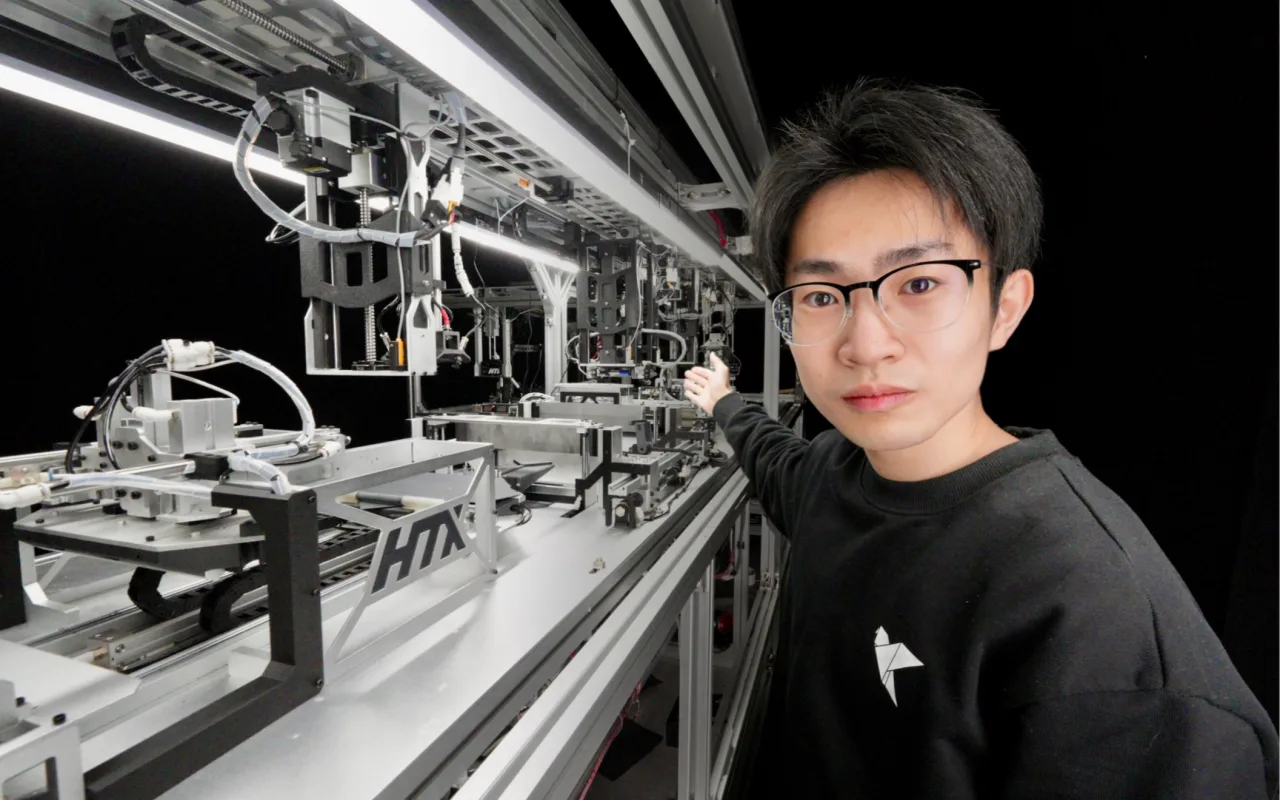
1. He Tongxue: make the process larger than the object
《我们做了条流水线》 begins with a small handmade gift and answers it with an unreasonable amount of engineering. The production line is funny because the output is modest; the video becomes moving because the machine preserves the gesture of making something for another person.
The polish matters. Workshop footage, diagrams, setbacks and the final run are cut with the pacing of a product launch, yet there is no product to buy. The build is staged as an event. Its excess gives a private object public scale.
Watch for the moment the machine stops being a collection of parts and starts behaving like a line. The reveal works because the film has already taught you how many things could fail.

2. Hand Geng: solve a problem nobody has
《自制钢琴烤串车》 connects a piano keyboard to a barbecue cart so that music and turning skewers become the same mechanical action. The invention is deliberately unnecessary. Hand Geng treats it with the concentration of serious fabrication, and that straight face is the comedy.
The video does not need a long premise. You can see the proposition in one frame, then wait to discover whether the mechanisms will cooperate. Welding, linkage and testing give the absurd object physical credibility; the final performance pays off both the engineering and the joke.
This is different from a prank in which the machine is only a prop. The device actually has to work. The pleasure comes from watching competent labour serve a gloriously unhelpful idea.
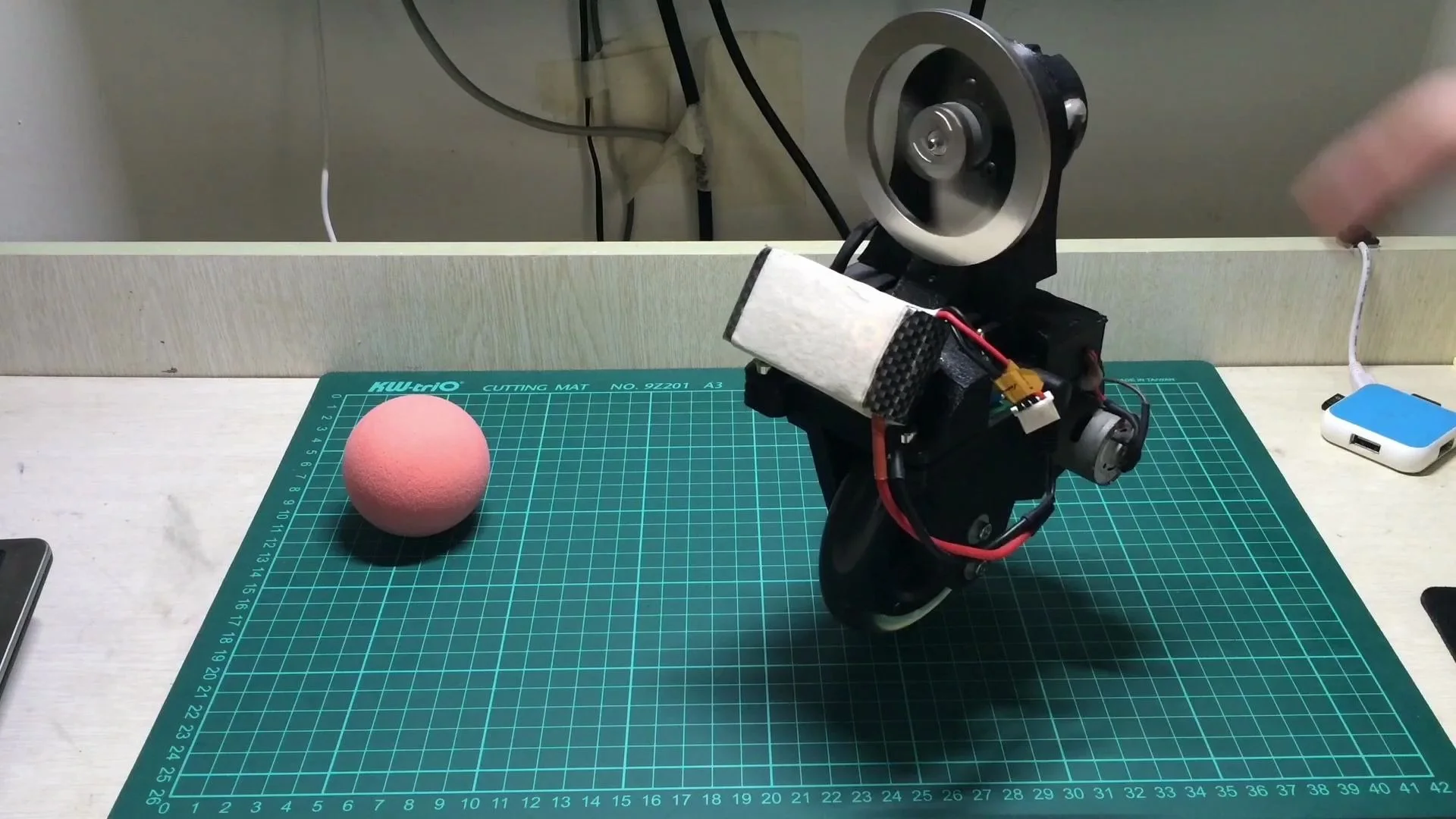
3. Zhihui Jun: let the mechanism remain visible
《坚强的独轮自平衡机器人》 is shorter and more technical. The single-wheel robot gives the viewer a clear physical question—will it stay upright?—then shows enough of the mechanism and control problem for the result to feel earned.
The project does not end at the reveal. The original description links source files, so a viewer can move from spectacle to inspection. That changes the relationship with the audience: the polished video attracts attention, while the published work lets technically curious viewers test how much is reproducible.
Even without following every spoken explanation, you can read the sequence of fabrication, unstable attempts, tuning and stable movement. The body of the robot makes the problem visible.
Three storytelling modes, one useful grammar
These works should not be flattened into “Chinese tech videos.” Their aims are different:
- He Tongxue turns an overbuilt process into an emotional reveal.
- Hand Geng uses real fabrication to sustain an absurd joke.
- Zhihui Jun makes a hard control problem visible and leaves a route into the project.
What they share is an editorial decision to keep the build inside the entertainment. The viewer sees a problem, watches resistance accumulate, and receives a final movement that answers the opening promise. That is why the finished object alone cannot replace the video.
What to watch next
Open all three originals, but do not binge them as interchangeable recommendations. First watch the opening minute and the final test of each. Then return to the middle: compare which failure is shown, which explanation is visual, and whether the ending asks you to admire, laugh or build.
Sources and scope
- He Tongxue: 《我们做了条流水线》 — original 2024 work and twelve-minute runtime.
- Hand Geng: 《自制钢琴烤串车》 — original 2021 build film and 11:13 runtime.
- Zhihui Jun: 《坚强的独轮自平衡机器人》 — original 2020 build film and project link in its description.
This is a close reading of three works, not a ranking of creators or a claim that they represent every Chinese maker channel. The Bilibili pages are in Chinese; the visual entry points above are our editorial guidance, not translated subtitles.