
The interesting thing about Phantom Blade Zero is not that it is “a Chinese Soulslike.” S-GAME is building an action game around the rhythm and physical clarity of screen martial arts, then setting that movement inside a world of tiled compounds, ruined machinery and impossible weapons. The studio calls the mixture kungfupunk.
We have not played the finished game. This guide reads the official 20:51 gameplay presentation and publisher material closely, so it can explain what is visible without turning a controlled demonstration into a performance verdict.
Watch the recovery, not only the attack
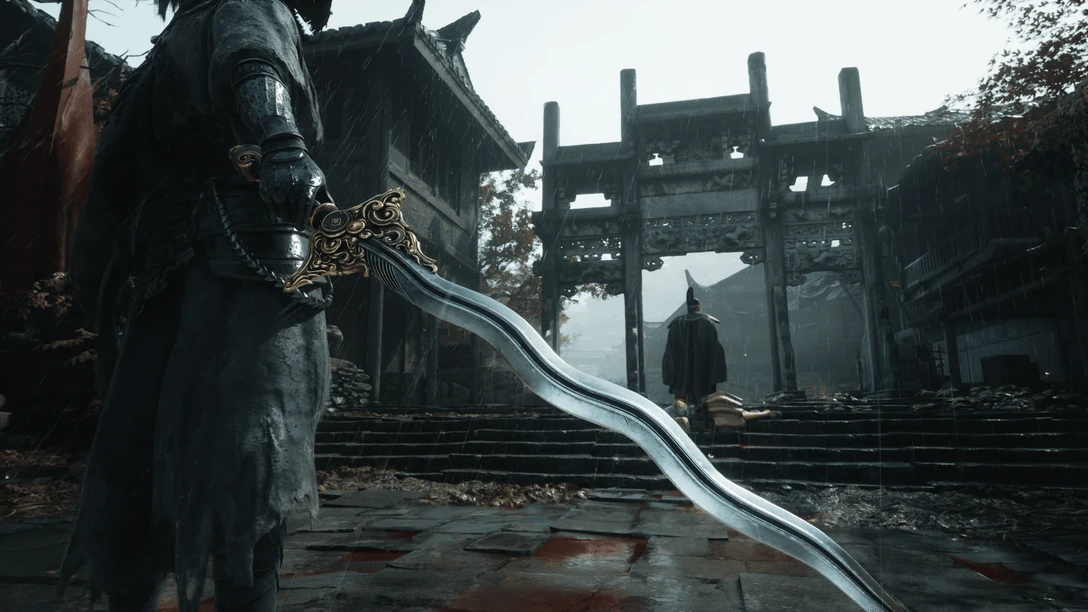
The official demonstration sells speed, but the useful detail is how attacks are answered. Sword exchanges have a visible beat: close distance, meet a strike, redirect pressure, then commit to a counter. Defensive movement is not presented as waiting behind a shield. It becomes part of the choreography.
Different weapons change the shape of that exchange. A long blade draws broad lines and controls space; paired or flexible weapons make the rhythm busier; secondary Phantom Edges introduce stranger mechanisms without replacing the main weapon in Soul’s hands. The publisher describes more than 30 main weapons and 25 Phantom Edges, but quantity is not the point. The footage makes them legible through stance, reach and timing.
That visual readability is why the game evokes martial-arts cinema more convincingly than a lore paragraph would. Opponents appear to have intention and tempo, not merely health bars.
Wulin is a social world, not a scenery label
Wuxia stories often unfold in the jianghu or wulin: a world of martial schools, reputation, obligation and rival codes that overlaps ordinary society without being identical to it. S-GAME uses Wulin for the network Soul moves through. Side encounters and competing figures matter because they place him inside that social order.
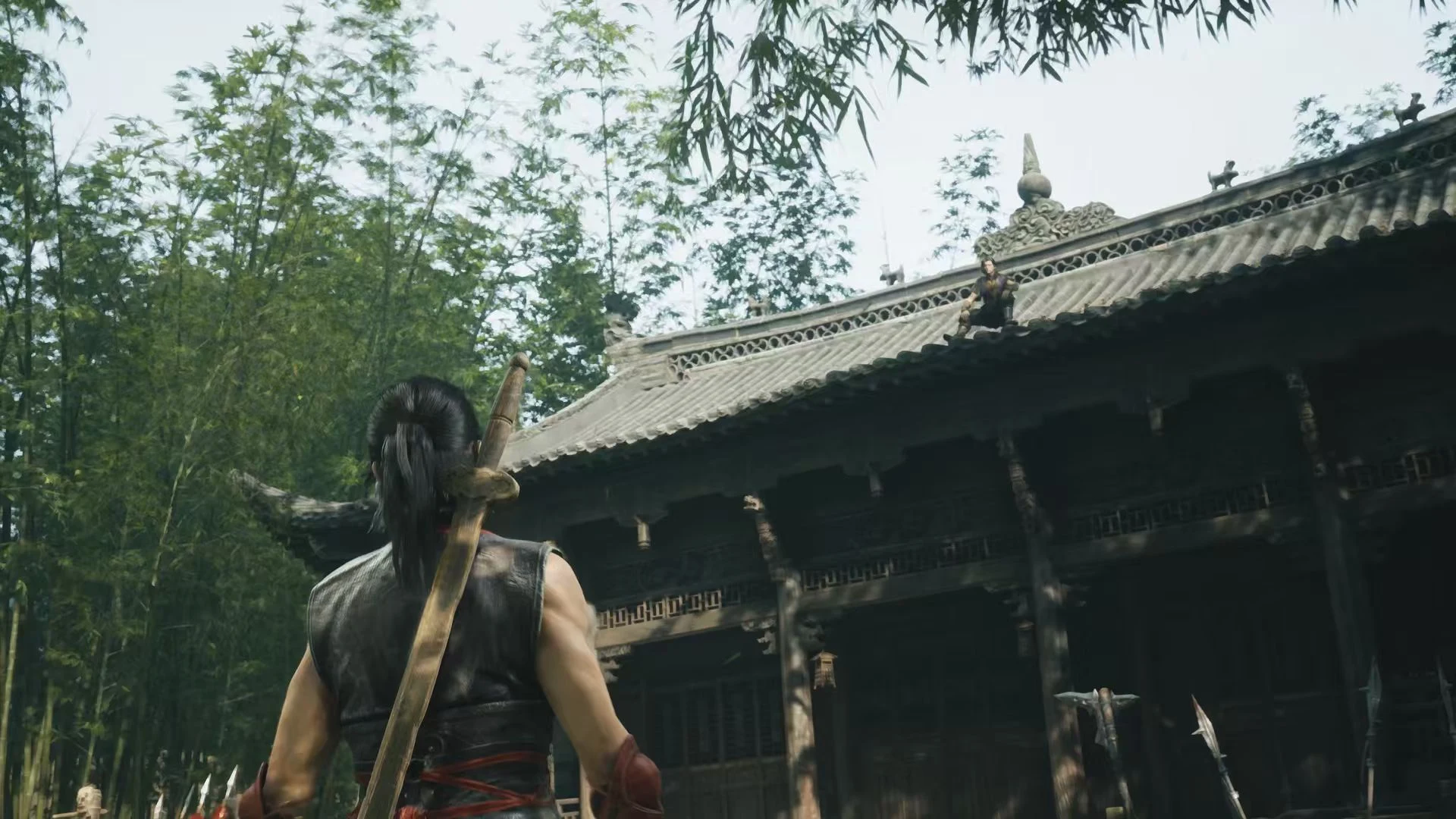
The built spaces support the idea. Courtyards, narrow paths, timber halls, bamboo and monumental objects channel movement before a fight begins. They are not a neutral “ancient China” skin. A gate can frame a duel; a raised walkway changes approach; a compound suggests an institution with rules and history.
Where the punk enters
“Kungfupunk” is S-GAME’s own label, not an established historical genre. In practice, it names the collision between martial choreography and anachronistic mechanisms. Blades unfold in improbable ways. Prosthetic and industrial forms sit beside weathered craft materials. Ruins feel both old and engineered.
The mixture works when the mechanical detail changes motion, not when it is pasted onto a costume. Phantom Edges are a clear example: their machinery gives Soul another movement vocabulary. The punk element is therefore not a neon colour grade. It is the sense that someone inside this martial world keeps building dangerous new tools.
Donnie Yen’s role makes sense at the movement layer
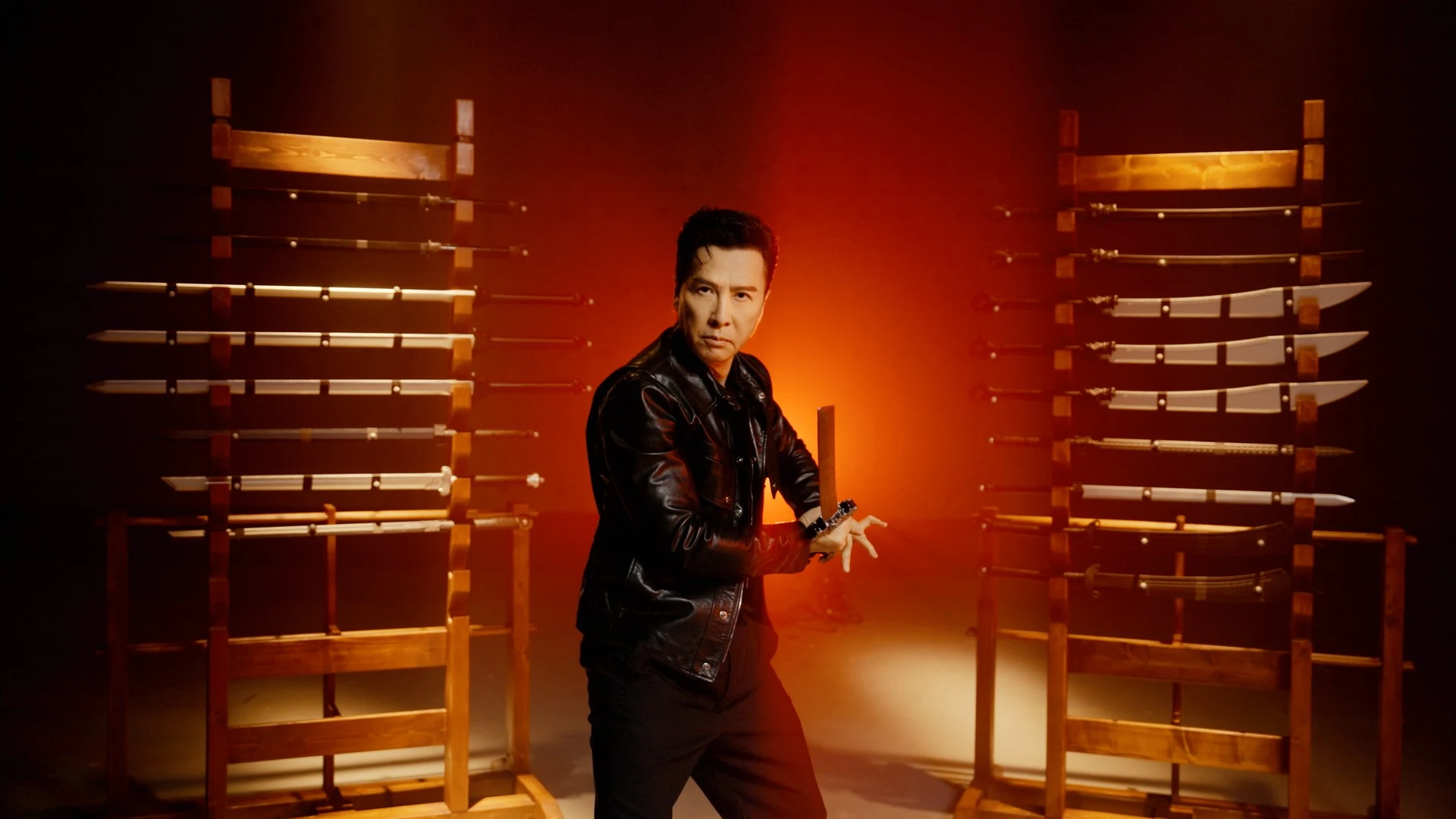
S-GAME credits Donnie Yen as a creative consultant and as the facial and motion-capture performer for Mó Yuan, Soul’s father. That is more relevant than a celebrity cameo because the game’s central promise is physical: how a body prepares, strikes, absorbs force and returns to balance.
The credit does not prove that every animation came from Yen or that the final combat will feel good in the hand. It does show where the production sought martial-film knowledge—inside movement and performance, not only promotional association.
What the footage still cannot answer
An edited presentation can demonstrate systems and art direction. It cannot establish controller latency, difficulty balance, camera behaviour across a full game or PC performance under ordinary hardware. It also cannot tell us whether the many weapons remain meaningfully different after dozens of hours.
Those are reasons to wait for independent hands-on testing, not reasons to ignore what the official footage already reveals. Follow the game now for its movement and world-building; wait before buying if performance and long-form balance decide the purchase.
Current U.S. release details
The practical information belongs at the end because it can change without changing what the game is.
- Release: October 28, 2026 in the United States; S-GAME’s global page displays October 29 because of regional timing.
- Platforms: PlayStation 5 and Windows PC through Steam and Epic are confirmed. No official Xbox edition was found in the current first-party routes.
- U.S. PlayStation price: $59.99 Standard or $69.99 Digital Deluxe at the time of this check.
- Before preordering: the published bonuses are early unlocks that can also be earned through play. Wait for independent reviews if frame rate, latency or finished-game balance matters to you.
Sources and scope
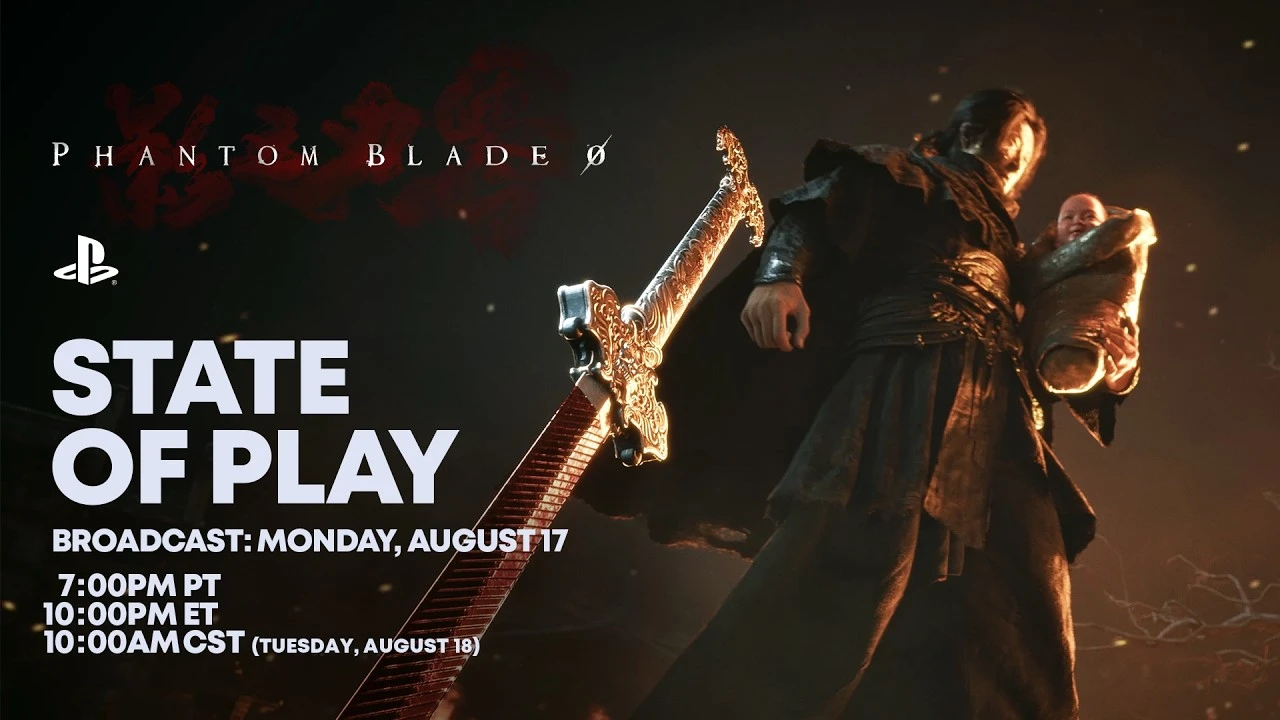
- PlayStation: Phantom Blade Zero State of Play deep dive — combat systems, Wulin framing, official media and Donnie Yen’s credited role.
- Official 20:51 gameplay presentation — the motion and spaces discussed above; publisher footage rather than an independent test.
- Phantom Blade Zero official site — S-GAME’s current description, platform routes and global date.
- U.S. PlayStation Store — current U.S. date, prices, editions and bonus wording.
- Steam and Epic Games Store — current official PC routes.
Updated September 13, 2026: the page now focuses on the combat and cultural design visible in the game. Release and store facts remain a compact, dated buying aid rather than the reason the page exists.