
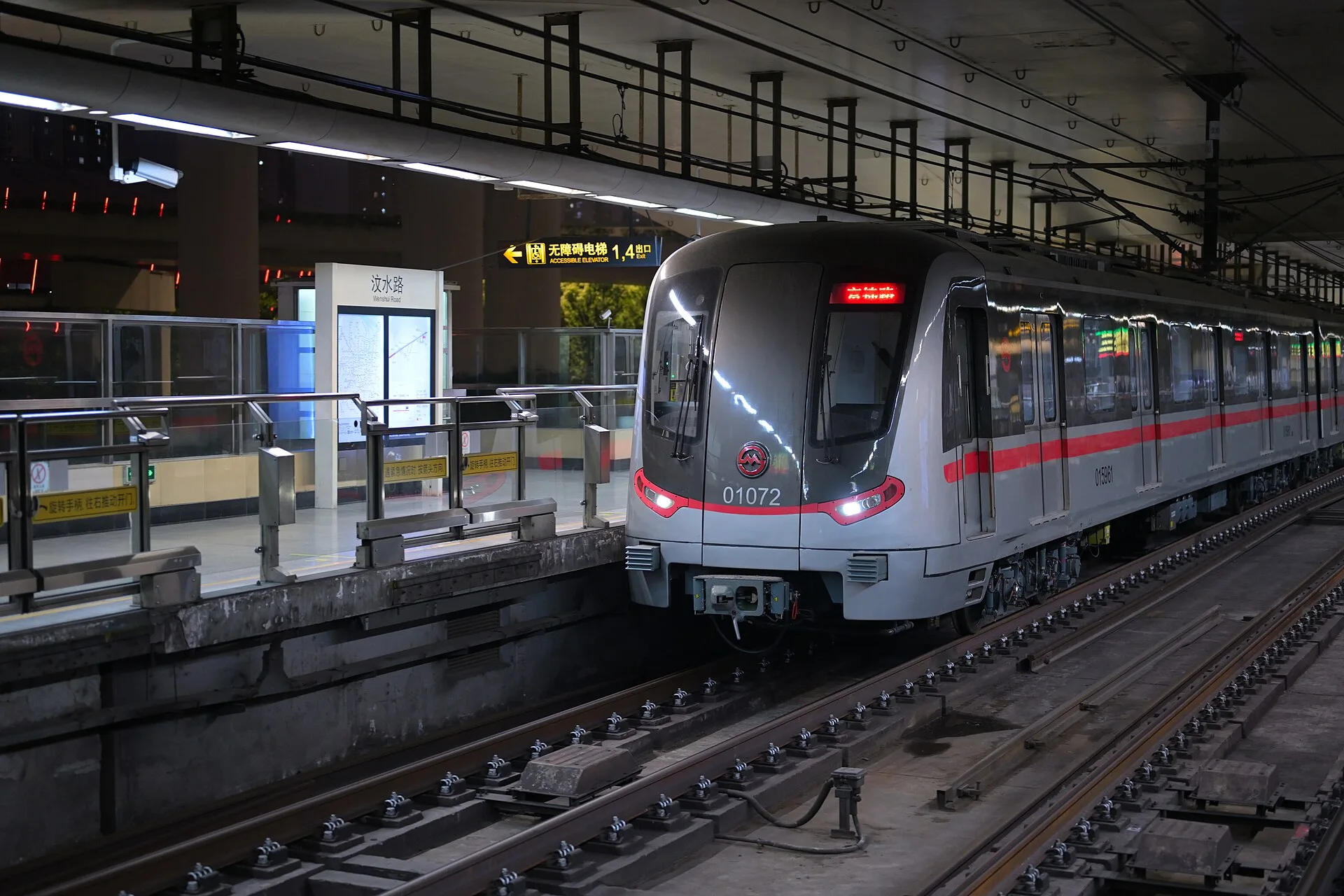

Shanghai Metro allows direct gate entry with supported contactless overseas bank cards. That can remove the need to buy a ticket or set up a local transport app for an ordinary ride. It is a payment option, not a guarantee that every foreign card, device or account will work.
The safest arrival plan is simple: try one supported physical card at a marked gate, keep it separate from other contactless cards, and know where to buy a single-journey ticket if the tap is rejected.
Before the first tap
Check that the card has a contactless symbol and that overseas transactions are enabled. Your bank can still decline a transaction for security, network or account reasons even when the transit system supports the card network.
Use the same card for entry and exit. Do not tap in with a physical card and try to tap out with that card stored in a phone wallet; payment systems can treat them as different credentials. One card is for one passenger at a time.
Remove the card from a wallet containing other contactless cards. Presenting several cards can cause “card clash,” where the reader cannot determine which credential to use or charges an unintended one.
Shanghai’s official guide should be checked for the currently named supported networks. Support can expand or change, and a card carrying a supported logo can still be subject to the issuing bank’s rules.
At the gate
Look for signage indicating contactless bank-card acceptance. Hold the card steadily at the reader rather than waving it. Wait for a successful response before moving through.
If the first attempt fails, do not tap repeatedly in quick succession. Confirm that you are at a compatible gate, remove other cards and try once more. If it still fails, move aside so other passengers can pass and use a fallback.
At exit, use the same physical card. If the gate does not open, ask station staff rather than attempting another card. Staff need to resolve the entry record against the credential you used.
What you may see on the bank statement
Transit payment processing can appear differently from a shop purchase. Authorisation, aggregation and final posting time depend on the operator and card network. A pending amount may not immediately resemble the final fare.
China This Way does not state a universal foreign-transaction fee. Your card issuer may apply its own currency-conversion or overseas-use charges. Check the issuer’s terms before travel if fees matter to your choice.
Keep two fallbacks
The first fallback is a single-journey ticket from a machine or service point. This is the cleanest response when a bank card is declined. Follow the current station instructions for payment methods accepted by that machine or counter.
The second fallback is a supported transport or payment app set up in advance. An app can be useful for repeated travel, but registration, identity, phone number and payment binding can introduce more points of failure than a single ticket. Do not make first-time app setup your only way to catch an urgent train.
Carry some RMB cash as a general travel fallback, while recognising that a particular machine may have its own acceptance rules. Station staff can direct you to the correct channel.
What direct tapping does not solve
A bank-card gate does not plan the route, identify the correct station exit or tell you when the last train departs. Shanghai stations can have many exits, and the wrong one may add a long street-level detour. Save the destination in both English and Chinese and note the exit number.
Direct tapping also does not create a transferable group ticket. Each passenger should have a separate valid medium. Children and passengers eligible for special fares should follow the operator’s current rules rather than assuming a foreign bank card applies the correct concession.
A reliable first-ride sequence
- Identify the route, destination station and exit before entering.
- Choose one contactless physical card and separate it from the rest.
- Use a marked compatible gate and keep the same card available.
- At the destination, exit with that card.
- If either tap fails, ask staff and switch to a single-journey ticket instead of cycling through cards.
The feature is valuable because it shortens one common visitor task. Treating it as one option within a small fallback plan makes it genuinely convenient.
Sources and scope
- Shanghai Municipal Government: Easy metro access with international cards — official gate access and alternatives.
- State Council: Guide to Working and Living in China 2025 — official visitor transport and payment context.
Checked 23 August 2026. Card networks, station equipment and issuer decisions can change. This page does not guarantee acceptance, fees or wallet compatibility; use station staff and a ticket fallback when direct tapping fails.