

A working phone connection should be established before it becomes the only route to your hotel, payment account or train ticket. For most visitors, there are three broad options: roaming from the home carrier, a travel eSIM, or a local Chinese SIM registered with a passport. None is best for every device and trip.
The useful decision is based on four needs: immediate data on arrival, a mainland Chinese phone number, reliable coverage along the actual route, and access to services you expect to use.
Option one: home-carrier roaming
Roaming is usually the lowest-setup route. The existing SIM and number remain active, which helps with messages and account verification from home. It can also be expensive or subject to small daily data limits.
Before departure, confirm that China is included, whether the plan activates automatically, what happens after the allowance is used, and whether voice and SMS are supported. Save the carrier’s support channel offline.
Roaming is a strong first-hour fallback even if it is not the preferred connection for the entire trip. A short working window is enough to find the hotel, contact a host or finish local setup.
Option two: a travel eSIM
An eSIM can add data without removing the physical home SIM. Device compatibility, network lock and plan design matter. Some products are data only and do not provide a mainland Chinese phone number. That can be fine for maps and messaging but insufficient for a service that requires local SMS verification.
Install the eSIM before travel while you have dependable internet, but follow the provider’s activation timing so the validity period does not start too early. Label the lines clearly. Decide which line supplies mobile data and which remains enabled for incoming SMS.
Do not assume every eSIM routes traffic in the same way or offers identical access to internet services. The provider should state routing, supported networks, tethering and fair-use limits. China This Way does not recommend a named commercial provider without a current, reproducible test.
Option three: a local SIM
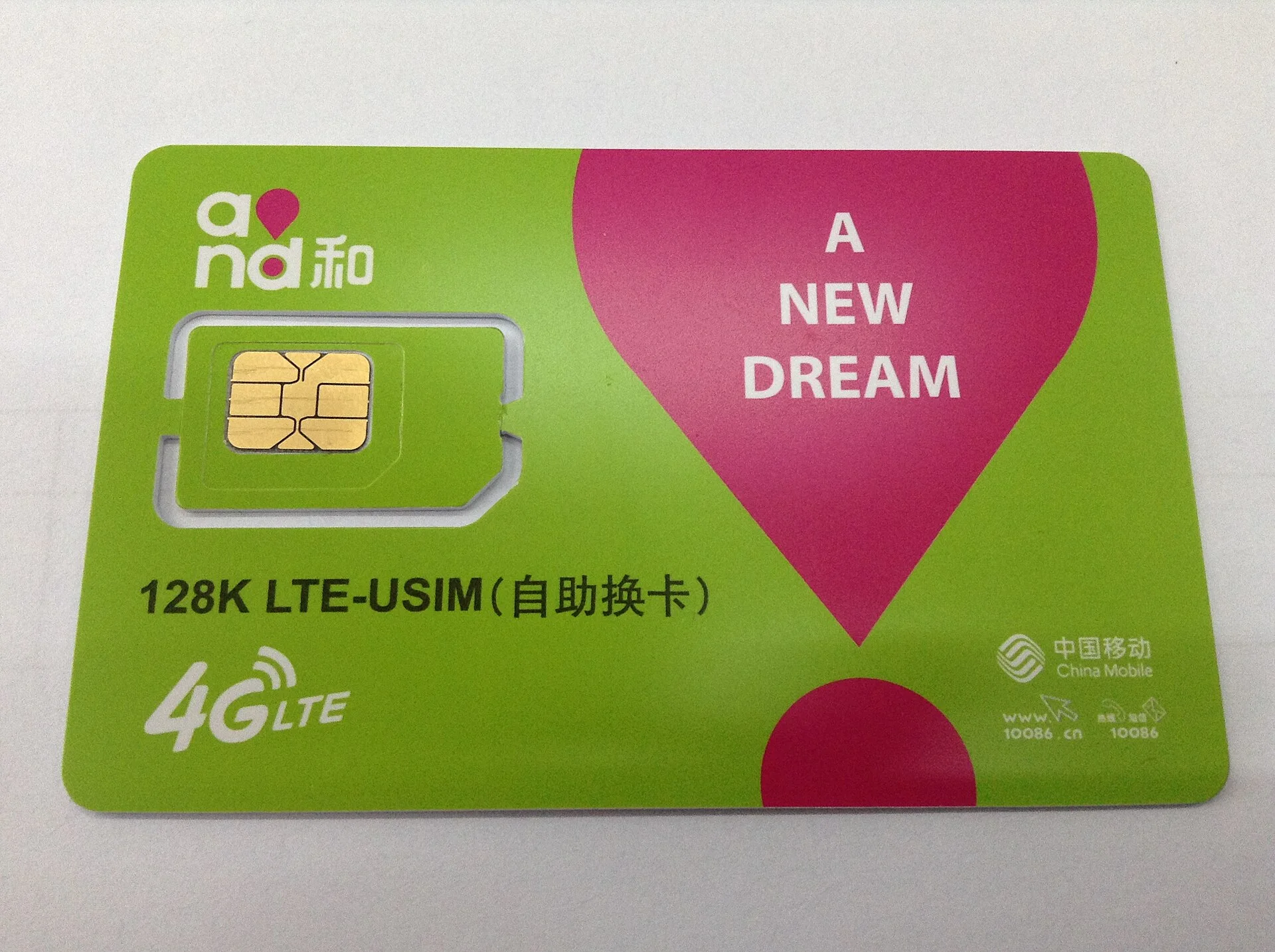
China’s official visitor guidance says foreigners can take a passport or Foreign Permanent Resident ID Card to service offices of China Mobile, China Unicom or China Telecom to apply for a SIM and mobile service. Plans generally combine data, calls and messages.
Shanghai’s current guide likewise directs users to official carrier stores, with passport presentation and registration. A larger store or designated visitor service point may have more experience processing foreign documents, but service language and stock can vary.
A local number can help with services that send mainland SMS codes and with local calls. The trade-offs are time, real-name registration, plan terms and device compatibility. Confirm that the phone is unlocked and supports the relevant bands before paying.
Ask staff to activate the card and test data, an outgoing call or SMS before leaving. Record how to check balance, add data and cancel or let the plan expire. Do not rely on a translated sales summary when contract length or recurring charges are unclear.
Dual-SIM settings can create silent failures
With two lines enabled, a phone may use the wrong line for data or allow the home SIM to roam unexpectedly. Set the preferred mobile-data line explicitly. Disable automatic data switching if it could create charges.
Keep the home number active for essential SMS only if the carrier’s roaming terms make that safe. Some verification messages do not arrive abroad, and some services reject internet-based numbers. Test critical accounts before departure and keep recovery codes offline.
Perform a five-minute arrival test
Before leaving the airport, station or service centre:
- Turn off Wi-Fi and load a current webpage over mobile data.
- Open the map and resolve the hotel address.
- Send a message through the app you will use to contact someone.
- Check whether the line has the phone number type you expected.
- Save a screenshot of the hotel name, address and route for offline use.
If the test fails, use airport Wi-Fi or the roaming fallback to diagnose it in a staffed place. Common causes include the wrong data line, disabled roaming on the travel SIM, an unactivated plan or an incompatible device.
One connection is still a single point of failure
Payment, ride-hailing and ticketing may all depend on the same phone. Keep the hotel address, passport copy, booking references and one contact method available offline. Carry a physical payment fallback. If travelling in a group, avoid putting every booking and connection on one person’s device.
Mobile data is infrastructure for the trip, not a badge of technical competence. The strongest setup is the one you can test, explain and replace when it stops working.
Sources and scope
- State Council: 2025 guide to mobile services — passport registration, carrier offices and plan basics.
- Shanghai Municipal Government: setting up mobile services — current official-store process and document guidance.
Checked 23 August 2026. Device bands, roaming, eSIM routing, prices and store processes vary. This guide does not guarantee access to a particular internet service or recommend a commercial plan.