
WATCH · SHORT DRAMA FIELD NOTES
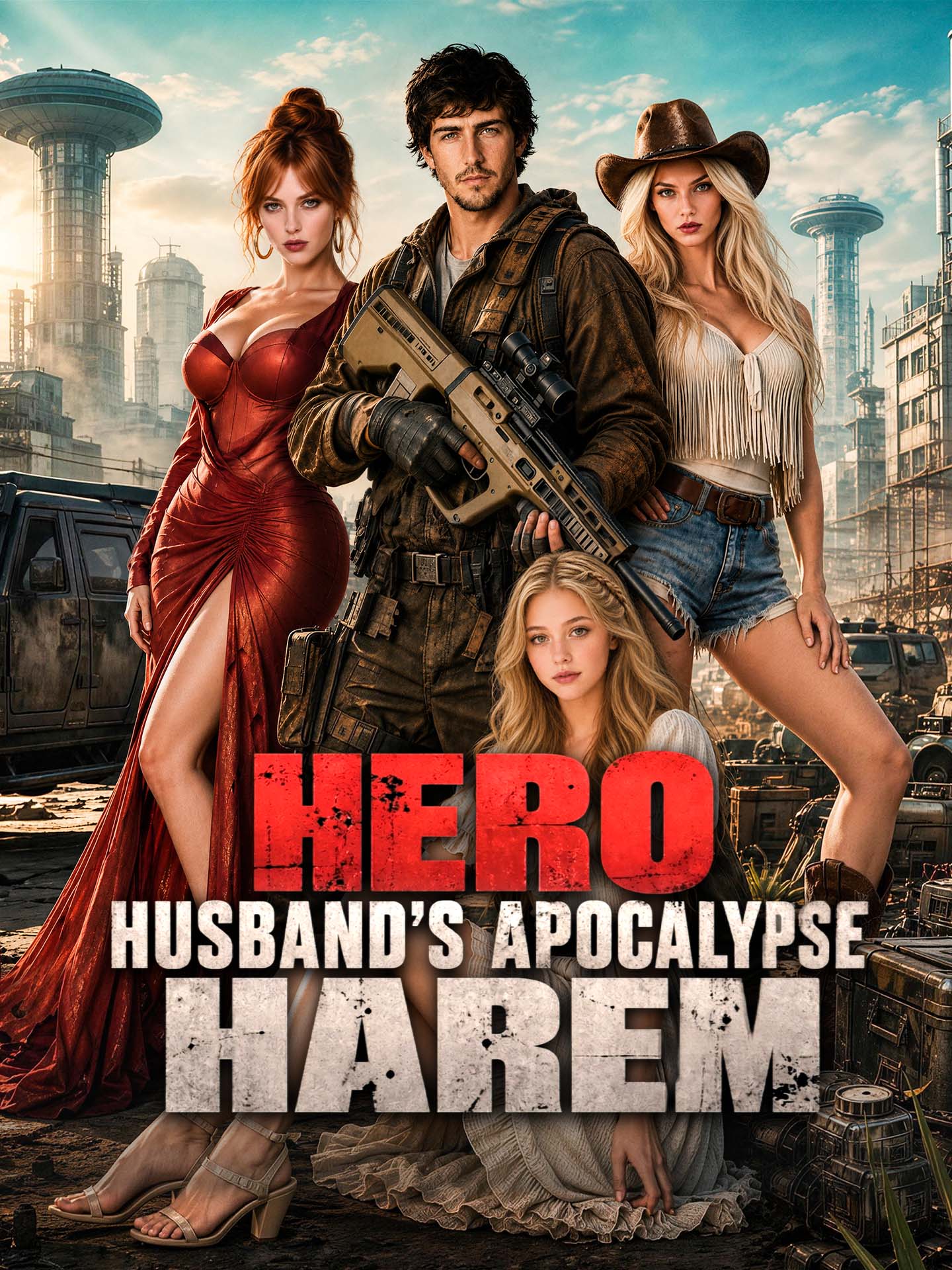
GoodShort · 63 episodes · video sampledHero Husband's Apocalypse Harem
Viewers who want rapid power growth and apocalypse spectacle. Women are frequently treated as progression rewards
Corrected September 16, 2026: heat and total scores cannot be reproduced from preserved normalization records. Unwatched endings are unassessed, not zero. Original counters keep their capture dates. Former scores survive only as correction history.
30-SECOND DECISION
The hook, before the repetition sets in.
A dismissed husband enters an apocalypse governed by visible rewards, power upgrades and new allies. Every crisis is also a chance to increase his status, and the romantic cast is folded into the same progression loop.
THE EDITORIAL READ
What the premise is really asking us to watch.
This is built for viewers who enjoy watching a system pay out. The apocalypse supplies an endless queue of threats, while the reward structure converts each one into status, power or a new ally. That clarity keeps the episodes moving, but it also flattens consequence: relationships risk feeling like inventory, and escalation can replace the harder work of letting a choice matter after the next upgrade arrives.
The episode presents scarcity first, then a system that promises to convert weakness into advantage. Each new danger can yield supplies, power or an ally, making the postwar landscape a progression map. The harem label folds romance into the same economy: meeting a woman may be staged like finding a resource or unlocking a tier. That is a precise appeal for system-fiction viewers and the central ethical limitation for anyone who wants relationships to have independent weight.
CHARACTERS UNDER PRESSURE
The husband
A powerless scavenger positioned for a system-driven riseHe begins unable to secure food or safety and is offered a structure that can turn every crisis and alliance into measurable advancement.
Jackie
A prominently introduced woman in the opening materialHer stylized entrance makes her both an individual survivor and a likely reward inside the harem premise; later agency is not established by Episode 1.
The roadside group
Armed survivors controlling people and suppliesThey make scarcity social rather than environmental: survival depends on status and force, not just finding resources.
EVIDENCE NOTEBOOK
Specific moments, with the evidence level left visible.
“Viewed video” means we inspected the moving image. A synopsis or episode record can establish plot and structure, but it cannot prove acting, editing or scene quality.
Ten years after the war
An explosion and dust-filled road establish a world described as ten years past World War III. The lead searches abandoned vehicles for canned food while the wider destruction remains mostly background scale.
The apocalypse is immediately translated into a resource loop—find food, avoid stronger people, survive another day—rather than treated as a mystery to solve.Open this source ↗Weakness is the first status
The lead explicitly says he can only survive by scavenging and cannot even feed himself, then reaches toward a captured woman while a group controls access to the goods.
The system fantasy begins from visible dependence. Every later upgrade can be measured against a hero who lacks food, force and social standing.Open this source ↗A woman arrives as the next reward-shaped event
After the threat and scavenging setup, the episode introduces a woman in stylized cowboy clothing with a name-card entrance, cutting from survival desperation to sexualized character presentation.
The edit demonstrates how the series joins danger, recruitment and attraction. It also supports the concern that women may be introduced as acquisitions in the hero's progression.Open this source ↗The catalog declares the system
GoodShort labels the completed series with Harem, System, Underdog Rise, Small Potato and Counterattack, while presenting 63 separate episode entries.
These are not incidental elements. The platform itself sells the drama as a long progression from weakness to status through a harem-and-system structure.Open this source ↗ADVERTISEMENT PAID PLACEMENT
HOW IT IS BUILT
Craft, only as far as the checked material allows.
The viewed opening favors sand-colored exteriors, explosive establishing imagery and close vertical shots of cans, faces and reaching hands. Its clearest editorial choice is the hard tonal cut from hunger and captivity to Jackie's glossy entrance. That switch sells the pulp fantasy efficiently, but it also reveals how quickly the drama turns a woman in danger into spectacle and progression promise.
WHERE IT MAY WEAR THIN
The repetition test.
A visible reward loop can keep 63 episodes moving while making consequences disposable. If every threat exists to trigger an upgrade, danger stops feeling dangerous; if each woman arrives through the same name-card and attraction beat, the cast becomes a collection rather than a group. The first episode clearly establishes the loop but cannot prove how much later variation it receives.
THE EPISODE EVIDENCE SPINE
Five judgments. Each one has to point back to the material.
A dash means not assessed, not zero. An unwatched ending cannot receive a score, and missing aspects do not produce a new average. Read each reason alongside its evidence.
The reward system keeps action moving but often replaces consequence with another upgrade.
Allies are differentiated by function, less often by independent motive.
The sampled presentation communicates powers and threats clearly, if generically.
New dangers and rewards arrive rapidly across the short episode structure.
Not assessed: the complete ending was not independently watched. A publisher synopsis cannot establish the quality of the payoff.
GOOD FIT
Watch it if
- The September release accumulated a large public GoodShort total quickly
- System-fiction viewers get frequent, legible rewards
Best for: Viewers who want rapid power growth and apocalypse spectacle.
SKIP SIGNALS
Leave it if
- Women are frequently treated as progression rewards
- Escalation leaves limited room for emotional consequence
Not for: Viewers who dislike harem framing or game-like storytelling.
SPOILER BOUNDARY
What the checked material can support about the payoff.
The complete catalog confirms a 63-part progression, but the checked public material does not support a scene-by-scene ending account. The reliable takeaway is structural: power, safety and romantic attention rise together.
AUDIENCE REACTION
No reliable crowd score yet
No compliant title-level comment sample was available.
OFFICIAL START
Continue on GoodShort
Opening the publisher is a separate action. Counts, access and episode locks can change after our check.
View the official title on GoodShort ↗